
Euphorbia dioeca
Euphorbia dioeca
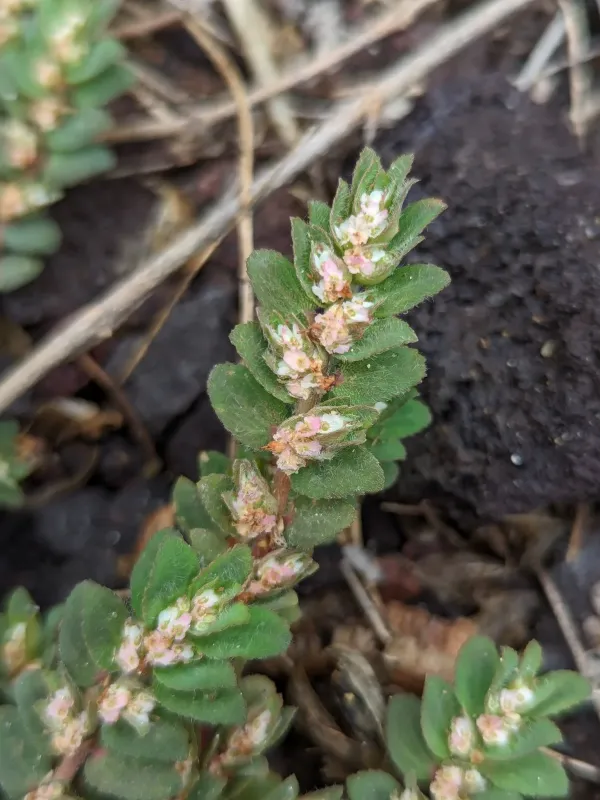
Description
Sowing dates
Euphorbia dioeca is a herbaceous plant that is generally regarded as an invasive weed within agricultural settings rather than a cultivated crop.
Germination typically occurs in the spring when soil temperatures reach optimal thresholds, allowing the seeds to sprout from the seed bank reserves.
The seeds are capable of remaining dormant in the soil for several years, which complicates weed management programs in fields infested with this species.
Seedlings emerge rapidly if moisture is present, quickly establishing a taproot that allows the plant to compete with primary agricultural crops.
Due to its competitive nature, preventing the maturation of seeds is the primary objective of any management strategy regarding this species.
Growing requirements
Belonging to the family Euphorbiaceae, this plant is well-adapted to arid and semi-arid environments where it can exploit niche resources.
It prefers well-drained, sandy, or rocky soils, showing a strong intolerance to waterlogged conditions or high-clay content soils.
Sunlight is a critical requirement for this species; it thrives in open areas and is significantly suppressed when shaded by denser crop canopies.
Euphorbia dioeca exhibits high resilience to drought due to its deep root system, which can tap into deep water sources during dry seasons.
The plant demonstrates high ecological plasticity, adjusting its growth rate based on the available nutrient and moisture levels in the immediate vicinity.
Main diseases and pests
The plant is susceptible to various fungal pathogens, such as powdery mildew, which can colonize leaves under conditions of high humidity.
Rust fungi are frequently observed on the foliage, potentially reducing the photosynthetic efficiency and overall vigor of the affected plants.
Specialized insects, including various leaf beetles, can cause significant damage to the vegetative parts of the plant during the growing season.
Root-knot nematodes are known to affect the roots, which can limit the plant's ability to absorb water and nutrients in poor soils.
Mechanical control, such as deep tillage, is often used to disturb the root systems and limit the spread of the population in arable fields.