
Euphorbia densiflora
Euphorbia densiflora
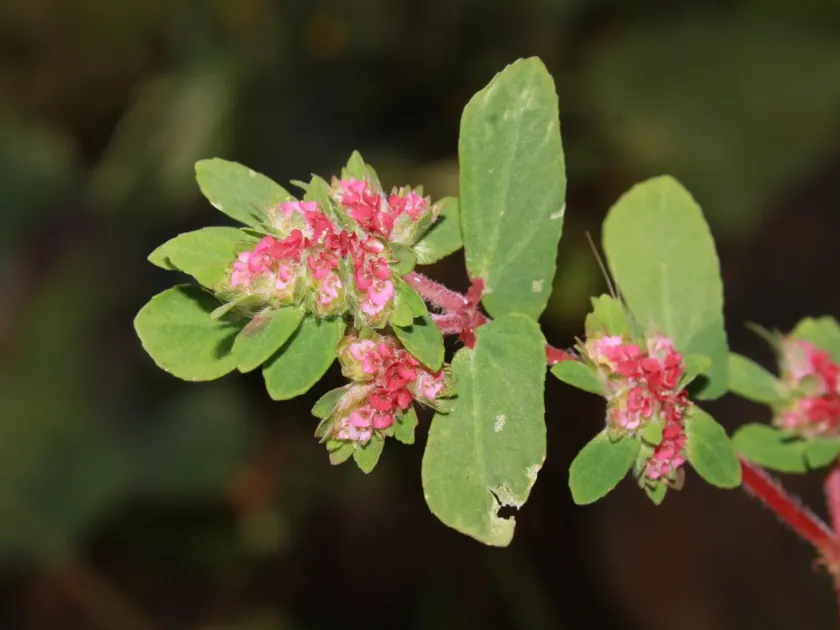
Description
Growing requirements
Euphorbia densiflora is a distinct succulent species belonging to the Euphorbiaceae family. Originating from the arid regions of Southern Africa, this plant has adapted to survive in harsh desert environments with minimal rainfall and extreme solar exposure.
Botanically, the plant is characterized by its woody caudex, which acts as a water storage organ, and its low-growing leaf rosettes. This morphology is an evolutionary response to environmental stress, ensuring long-term survival during periods of drought.
The cultivation requirements focus heavily on soil structure. The substrate must be highly porous, typically composed of coarse sand, gravel, and perlite. A stagnant moisture environment in the root zone is the primary cause of physiological failure in this crop.
Sunlight is the most critical environmental factor. Euphorbia densiflora requires intense light levels to maintain its physiological integrity. In greenhouse conditions, supplemental artificial lighting is often necessary during shorter winter days to prevent etiolation.
Regarding its economic utility, the plant is primarily cultivated for the horticultural market and botanical research. Its specialized chemistry, contained within its toxic milky latex, makes it a subject of interest in biochemical studies for pharmaceutical and pest control applications.
Main diseases and pests
The primary threats to Euphorbia densiflora are fungal pathogens, specifically those causing root and caudex rot. These conditions are almost exclusively triggered by overwatering or poor drainage systems in the growth area.
Pests such as mealybugs and spider mites are known to infest the leaf rosettes. These organisms weaken the plant by feeding on its tissues and creating entry points for secondary bacterial infections, which can lead to localized necrosis.
Effective management requires a strict monitoring schedule and the maintenance of a dry, well-ventilated environment. Integrated pest management, focusing on manual removal and selective application of systemic insecticides, is the standard practice for healthy cultivation.