
Euphorbia densa
Euphorbia densa
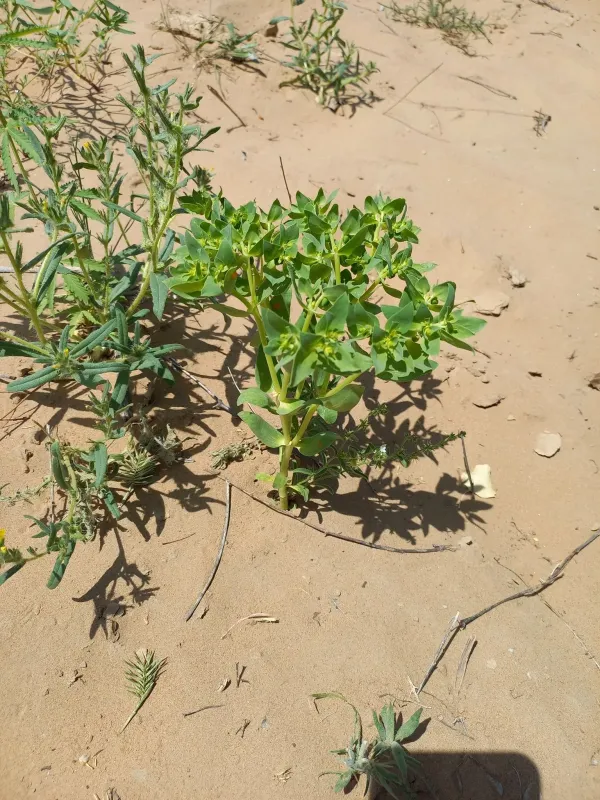
Description
Sowing dates
Euphorbia densa is a distinct species belonging to the Euphorbiaceae family, known for its dense growth habit. Agronomically, it serves as a unique crop with specific biological requirements that dictate its cultivation success.
The sowing process begins when soil temperatures consistently reach 18–20 degrees Celsius. Providing a stable thermal environment is crucial for the germination of Euphorbia densa seeds in field conditions.
Soil preparation requires fine tilth to ensure uniform seed-to-soil contact. It is essential to ensure that the sowing depth does not exceed 2 centimeters to facilitate successful emergence without exhausting the seed's energy reserves.
Row spacing should be calibrated to optimize sunlight penetration and air circulation. Avoiding excessive density is a primary strategy for preventing moisture-related stress in the plant rows.
Once seedlings are established, selective thinning may be necessary if the initial sowing rate resulted in overcrowding. Maintaining adequate spacing promotes stronger root development and uniform vegetative growth.
Growing requirements
Euphorbia densa thrives in well-drained, sandy soils that mimic its natural habitat. Improving drainage is the single most important agronomic intervention to prevent physiological disorders in this crop.
Exposure to full sunlight is essential for the plant to maintain its characteristic compact morphology. Insufficient light intensity typically results in etiolation and structural weakening of the main stems.
Climate requirements include high temperature tolerance during the growing season. The plant is well-adapted to arid environments, making it a viable candidate for regions prone to heat stress and drought.
Nutrient management focuses on moderate application of phosphorus and potassium. Excessive nitrogen should be avoided, as it promotes succulent, soft growth that is highly susceptible to mechanical damage and pathogens.
Weed control must be managed through mechanical cultivation or careful manual removal. Due to the shallow root system, deep mechanical disturbance near the plants should be avoided at all times.
Main diseases and pests
Root rot caused by fungal pathogens such as Pythium or Fusarium is the primary threat to Euphorbia densa. These diseases are almost always linked to excessive soil moisture and poor drainage conditions.
Spider mites represent the most significant pest concern, especially under dry conditions. They cluster in the growth points and foliage, causing severe yellowing and eventual necrosis of the leaves.
Aphid infestations are common and require early detection to prevent the spread of viral mosaic diseases. Integrated pest management protocols using biological or chemical controls are recommended.
Powdery mildew can occur if air circulation is compromised. Fungicidal treatments should be applied during the early onset of infection to protect the crop's vegetative integrity.
Prevention involves strict sanitation of the agricultural plot, including the removal of debris that may harbor pests or fungal spores. Maintaining plant vigor through optimal irrigation is the best defense against stressors.