
Euphorbia deflexa
Euphorbia deflexa
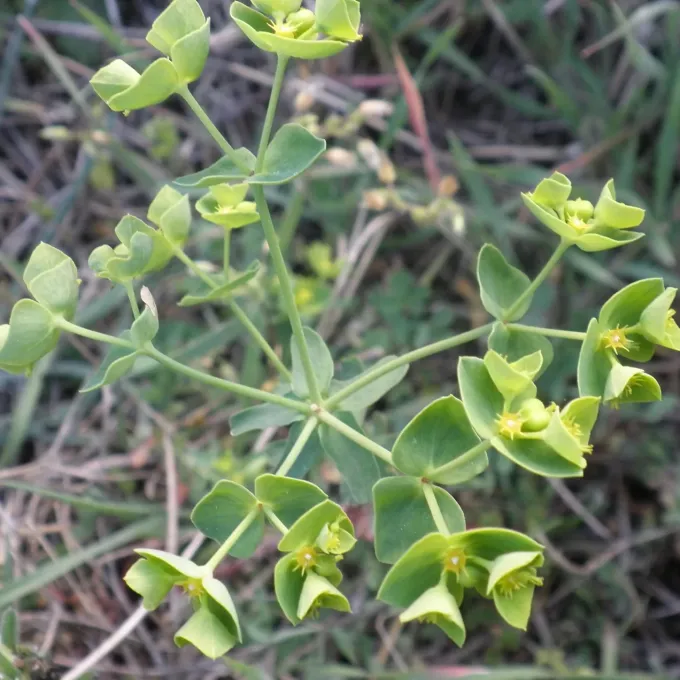
Description
Growing requirements
Euphorbia deflexa is a perennial herbaceous plant belonging to the diverse Euphorbiaceae family. This species is recognized by its structural adaptability and the presence of milky latex, which acts as a chemical defense mechanism against herbivores in its native habitats.
The plant originates from regions with a temperate climate and thrives in open environments with significant solar radiation. Agronomically, it requires well-drained soil, preferably sandy loam or loamy textures, to prevent waterlogging, which the root system does not tolerate well.
Regarding soil fertility, it shows moderate adaptation to various conditions but performs best in slightly acidic to neutral soil. Proper irrigation management is vital; while the plant is drought-resistant, consistent moisture during the vegetative stage is essential for optimizing biomass production.
Temperature range is a critical factor for the development of Euphorbia deflexa. The plant prefers consistent temperatures between 18 and 25 degrees Celsius, as extreme temperature fluctuations can stress the plant and reduce its physiological vigor during early growth stages.
Economically, the plant is studied for its potential in specialized industries. Its biological compounds are a subject of ongoing research for pharmaceutical applications, and it is sometimes utilized as an ornamental or botanical specimen in research-driven agriculture.
Main diseases and pests
Fungal pathogens represent the most significant threat to the health of this crop, particularly under conditions of high humidity. Root rot caused by pathogenic fungi can quickly destroy established stands if the soil moisture levels are not strictly regulated.
Pest pressure is primarily driven by sap-sucking insects like aphids, which can cause significant stunted growth. Integrated Pest Management (IPM) strategies, including the use of targeted systemic insecticides, are necessary to maintain plant vitality during infestation spikes.
Nematodes are another latent threat that can compromise the root system, leading to overall decline in plant health. Soil sterilization or crop rotation practices are highly recommended to keep nematode populations below the economic threshold in production fields.
Weed management is critical, as Euphorbia deflexa can be sensitive to aggressive competition for sunlight and soil nutrients. Hand weeding or selective mechanical cultivation is often required during the first months of the season to ensure the crop establishes successfully.
Disease surveillance must be continuous to detect early signs of leaf spot or blight. By maintaining balanced nutrition and optimal plant spacing, the risk of disease spread is significantly reduced, ensuring a healthier and more productive field outcome.