
Euphorbia dawei
Euphorbia dawei
Description
Growing requirements
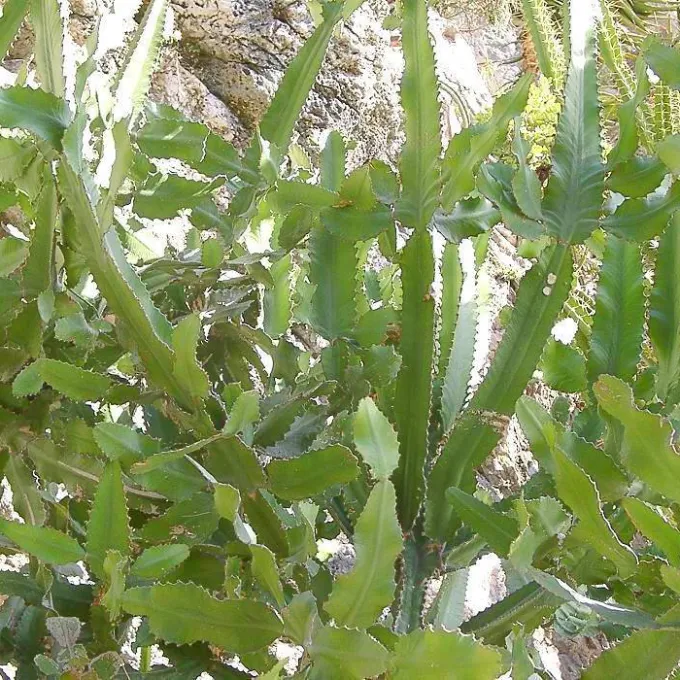
Euphorbia dawei is a succulent plant belonging to the Euphorbiaceae family. It is native to the tropical regions of East Africa, specifically originating from areas in Uganda.
In its natural habitat, the plant is adapted to semi-arid climates. It is a heliophilous species, meaning it requires abundant direct sunlight to maintain its structural integrity and health.
The soil for this species must be highly porous and well-draining. A mix of sandy soil and grit is ideal to mimic the conditions of its native arid environment and prevent root rot.
Temperature management is critical for Euphorbia dawei, as it thrives in warm environments. It cannot tolerate freezing temperatures, which can severely damage the succulent stem tissue.
Watering practices should be moderate during the growing season. It is essential to let the substrate dry out completely between waterings to avoid the risk of waterlogging, which the plant is highly sensitive to.
Main diseases and pests
Fungal pathogens represent the most significant threat to the culture, primarily caused by excessive moisture in the soil or a lack of proper air circulation around the plants.
Pests such as mealybugs and spider mites are common enemies. They feed on the succulent's internal fluids, leading to stunted growth, yellowing, or severe tissue deformation.
Scale insects can also infest the plants, particularly in greenhouses. Regular inspection and maintaining optimal humidity levels help prevent widespread infestations of these persistent pests.
It is important to remember that Euphorbia plants produce a milky latex, which acts as a deterrent for many herbivores but requires protective equipment when pruning or handling damaged parts.
Effective management involves a combination of cultural practices, such as optimizing ventilation, and the application of chemical control agents like fungicides or systemic insecticides when necessary.