
Euphorbia curvirama
Euphorbia curvirama
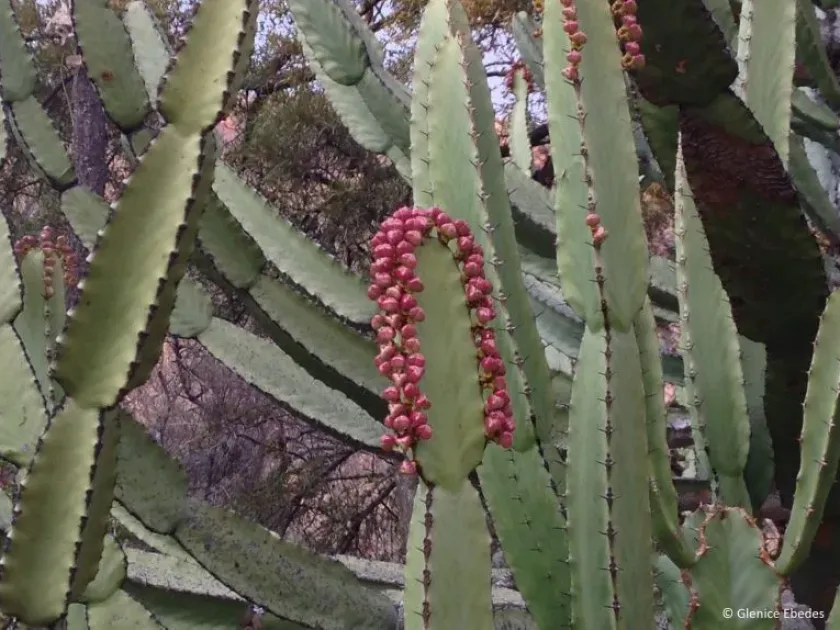
Description
Growing requirements
Euphorbia curvirama is a perennial succulent belonging to the Euphorbiaceae family. It is characterized by its distinct, robust succulent stems that serve as water storage organs, allowing the plant to survive in extremely arid environments.
Native to Southern Africa, this species thrives in rocky, well-draining soils with high levels of direct solar radiation. The plant is well-adapted to environments where nutrient availability is low, making it a specialized culture in its natural habitat.
In cultivation, the primary requirement for success is a mineral-based substrate that prevents any water retention. It is highly intolerant of heavy soils, as poor drainage is the leading cause of root system failure in this species.
Environmental conditions must mimic arid cycles, with high temperatures during the growing season and a cooling period during dormancy. Constant light exposure is vital for the plant to maintain its structural integrity and metabolic processes.
Agronomic management relies on a strict irrigation protocol. Watering should only occur when the substrate is completely dry throughout the container, ensuring that no moisture remains trapped in the root zone for extended periods.
Main diseases and pests
The most significant threats to Euphorbia curvirama are fungal pathogens, specifically Phytophthora and Pythium species. These fungi thrive in damp environments and cause rapid decay of the succulent stems.
Pest pressure is primarily driven by common succulent pests such as mealybugs and spider mites. These organisms feed on the plant fluids, causing localized damage that often serves as an entry point for secondary bacterial infections.
Effective pest management involves integrated control methods, emphasizing early detection through regular inspection. Providing adequate airflow around the plant helps to prevent the microclimate conditions that favor mite infestations.
Chemical control should be applied cautiously, using systemic products that are safe for succulent tissues. It is essential to treat only affected areas while ensuring the overall health of the plant remains uncompromised.
Safety is a critical aspect of handling this culture. The plant produces a milky latex sap that is toxic and highly irritating. Proper personal protective equipment must be worn during any pruning or propagation activities to prevent skin and eye contact.