
Crested Euphorbia
Euphorbia cristata
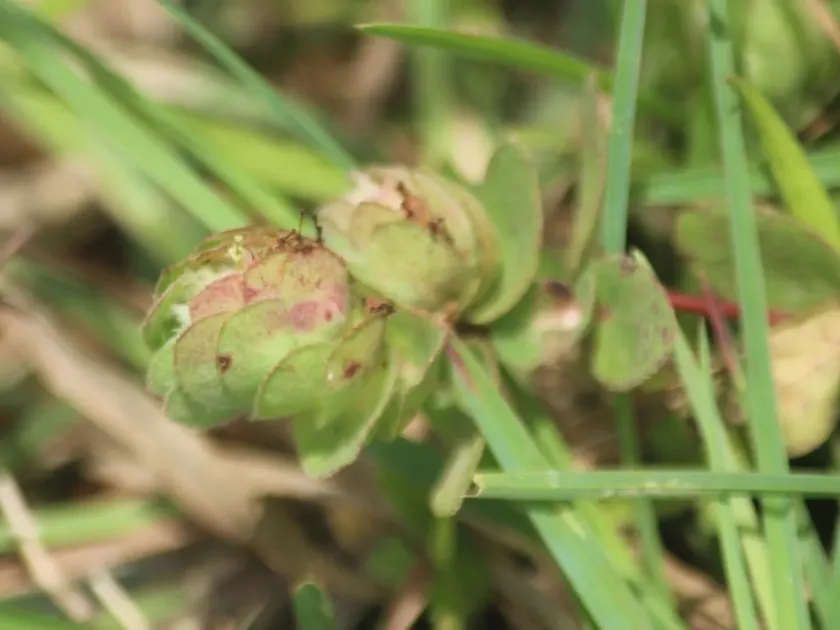
Description
Growing requirements
Crested Euphorbia (Euphorbia cristata) is a member of the Euphorbiaceae family. This species originates from tropical environments and is recognized for its unique, often fan-shaped or ruffled growth habit that makes it a prized specimen in horticulture.
The plant requires well-draining, porous soil to thrive. It is essential to use a potting mix specifically designed for succulents, ensuring that excess water can easily escape to prevent root rot, which is the most significant risk to the plant.
Regarding climate, this Euphorbia prefers bright, indirect sunlight. It is highly sensitive to cold drafts and should be kept in temperatures ranging from 20 to 25 degrees Celsius to ensure steady growth and proper physiological function.
Watering practices must be disciplined; allow the soil to dry out significantly between irrigation cycles. Overwatering is the primary cause of failure in cultivating this species, as the succulent tissues store enough moisture to withstand short drought periods.
Fertilization should be applied sparingly during the growing season. Using a balanced, low-nitrogen fertilizer helps support healthy growth without forcing the plant into unnaturally rapid development that weakens its structure.
Main diseases and pests
The most common threats to Crested Euphorbia are fungal infections, which manifest as stem rot or leaf spotting. These conditions are typically exacerbated by high humidity and poor ventilation around the plant's main stem.
Pests such as mealybugs and spider mites are frequent invaders in indoor or greenhouse settings. These insects cluster in the crevices of the crested growth, making them difficult to detect until the plant starts showing signs of distress.
Effective management involves manual removal of pests and the application of targeted horticultural soaps or systemic insecticides to protect the plant's integrity without damaging the succulent epidermis.
Maintaining a dry surface environment and providing consistent airflow are critical cultural practices that minimize the likelihood of pest outbreaks and fungal spread.
Regular monitoring of the base and the folded areas of the growth is recommended to catch early signs of infestation or rot before the internal tissues are irreversibly damaged.