
Euphorbia craspedia
Euphorbia craspedia
Description
Growing requirements
Euphorbia craspedia is a perennial succulent plant belonging to the Euphorbiaceae family. Originating from the arid regions of Southern Africa, this species has evolved specific survival strategies to thrive in environments with low annual precipitation and high temperatures.
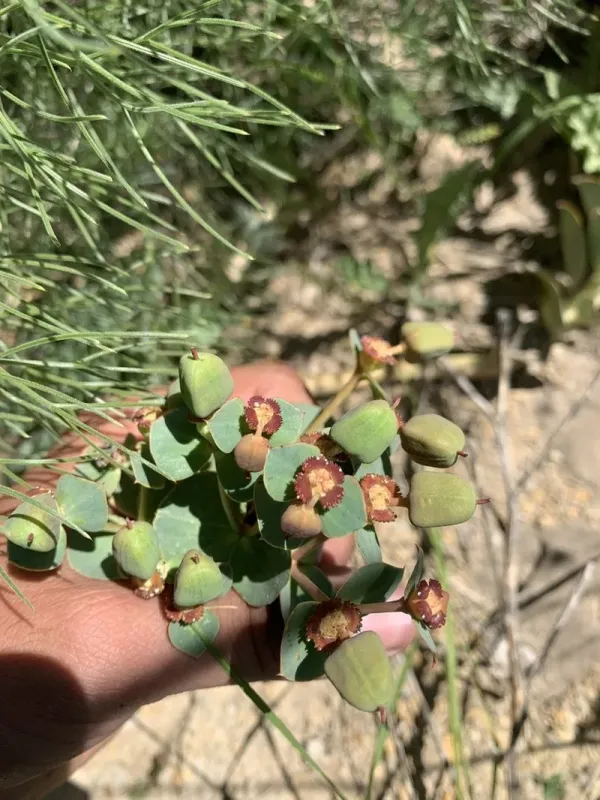
Botanically, it features thick, fleshy stems designed for water storage, which is a classic adaptation for succulents. The foliage is often lance-shaped, protected by a waxy cuticle that reflects intense sunlight and reduces transpiration rates during the hottest parts of the day.
The primary soil requirement is excellent drainage. This plant cannot tolerate "wet feet," as its roots are highly susceptible to rot in stagnant, waterlogged environments. A mix of sand, pumice, and loam is considered the ideal growing medium for this species.
Sunlight is the most critical factor for the growth of Euphorbia craspedia. It requires full, direct sun exposure to maintain its compact growth habit and vibrant coloration. Insufficient light leads to etiolation, where stems become thin and weak, losing their characteristic structural integrity.
Thermal stability is vital for this crop. As a tropical and subtropical plant, it is not frost-hardy and requires temperatures consistently above freezing. In temperate regions, it is best managed as a greenhouse crop or a container plant to facilitate winter protection from extreme cold.
Main diseases and pests
Root rot is the most common threat to Euphorbia craspedia, usually caused by overwatering or poor soil drainage. If the substrate remains damp for too long, the root system fails, which often leads to the rapid decline and death of the entire plant.
Pest pressure often comes from sap-sucking insects, such as mealybugs, spider mites, and scale insects. These pests thrive in dry conditions and can cause significant damage to the plant by extracting essential nutrients and promoting the growth of sooty mold.
Agricultural management of diseases involves strict irrigation control and providing optimal airflow around the plant canopy. Ensuring that the surface of the soil dries out completely between watering sessions is the most effective preventative measure against fungal pathogens.
Pest management relies on the timely application of insecticides or acaricides. Regular monitoring of the foliage and stem junctions allows for early detection of pest colonies, which is essential to prevent large-scale infestations that could compromise the crop's vigor.
Maintenance pruning of necrotic or heavily infested tissue is a necessary hygienic step. By removing damaged segments, growers reduce the risk of secondary infections, ensuring the plant remains healthy and resistant to environmental stressors throughout its vegetative cycle.