
Euphorbia cossoniana
Euphorbia cossoniana
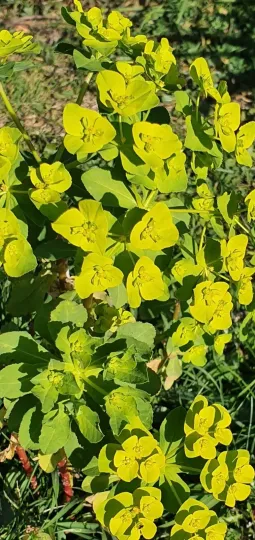
Description
Sowing dates
Euphorbia cossoniana is primarily propagated through vegetative methods, such as stem cuttings, to ensure genetic uniformity and faster development. The best time for propagation is late spring when the plant initiates its annual growth cycle.
Cuttings should be taken with a sharp, sterile tool and allowed to air-dry in a shaded area for several days. This allows the wound to form a callus, which prevents sap loss and pathogen entry during the rooting phase.
The rooting medium must be highly porous, consisting of a mix of pumice, coarse sand, and a small portion of peat. Drainage is the most critical factor to prevent the base of the cutting from rotting before roots can establish.
Once planted, the cuttings should be kept in a bright location but away from direct, harsh sunlight. Maintaining a stable temperature around +23 degrees Celsius promotes faster callus development and subsequent root growth.
Transplanting mature specimens should be performed sparingly, only when the plant has completely outgrown its current container. Minimizing root disturbance is essential for maintaining the health of this succulent species.
Growing requirements
This member of the Euphorbiaceae family thrives in arid conditions and requires maximum exposure to sunlight. Proper lighting is essential for maintaining the plant's structural integrity and preventing etiolation.
The soil must have a neutral or slightly alkaline pH and exceptional drainage capabilities. Because the plant is native to arid regions, it is evolved to withstand dry conditions, making heavy, water-retentive soils detrimental to its health.
Environmental requirements include a warm, dry climate during the growing season. While the plant is drought-tolerant, it requires sufficient airflow to prevent excessive humidity around the stem and roots.
Watering protocols should follow the soak-and-dry method. During the winter dormancy period, watering should be significantly reduced or stopped entirely, depending on ambient temperatures and light levels.
Fertilization should be limited to the active growing season. A balanced, low-nitrogen fertilizer designed specifically for succulent species is ideal, as high nitrogen content can lead to weak and structurally unstable growth.
Main diseases and pests
Root rot is the most common threat, almost always caused by improper irrigation or poor substrate aeration. It is frequently silent and fatal, making prevention through strict moisture control the best defense.
Spider mites are a significant pest for this species, thriving in the dry environments that the plants themselves prefer. Regular monitoring for fine webbing or stippling on the stem is essential for early intervention.
Mealybugs can also infest the plant, hiding in the crevices between ribs. Systemic insecticides are recommended for effective control, as contact sprays often fail to reach hidden insects.
Fungal infections can occur if the plant is exposed to cool, humid conditions for prolonged periods. Ensuring proper ventilation around the foliage is the primary strategy to mitigate this risk.
The white, milky latex of Euphorbia cossoniana acts as a natural deterrent against many herbivores; however, it can also cause skin irritation to handlers. Always wear protective equipment when pruning or handling the plant.