
Euphorbia cornigera
Euphorbia cornigera
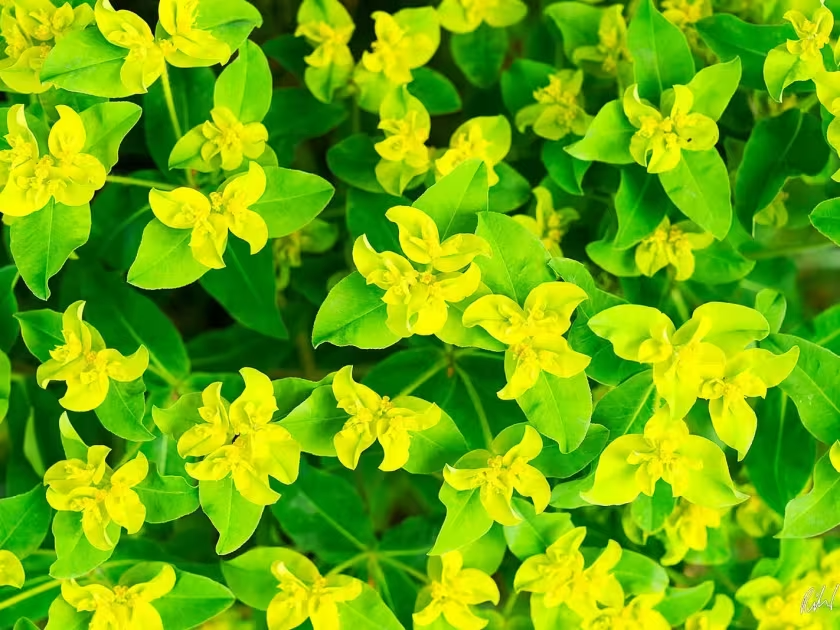
Description
Growing requirements
Euphorbia cornigera, commonly known as a species within the Euphorbiaceae family, is a perennial herbaceous plant native to the Himalayan region. It is characterized by its robust growth habit and unique milky sap, which is common to the entire genus.
The plant thrives in well-drained, fertile soils with a neutral pH level. Proper drainage is essential for this species, as its root system is highly susceptible to saturation damage, particularly during the dormant season when metabolic activity is low.
Ideally, this crop requires full sun exposure to maintain its compact growth form and promote flowering. However, in regions with intense summer heat, light afternoon shade is beneficial to prevent leaf scorching and excessive transpiration.
Agricultural management includes balanced irrigation practices and moderate fertilization. Using organic matter to improve soil structure can significantly enhance the plant's vigor and resistance to environmental stress.
Host plants of this type are primarily used in ornamental horticulture, where they are valued for their architectural shape. Their cultivation requires a focus on structural aesthetics and long-term site stability in garden environments.
Main diseases and pests
Common pests affecting Euphorbia cornigera include spider mites, which can proliferate quickly in hot and dry conditions. Regular monitoring of the foliage is necessary to detect early signs of infestation.
Root rot is the most significant pathological threat, usually triggered by waterlogging or poor soil aeration. Implementing strict irrigation controls is the best preventive measure against such diseases.
Powdery mildew can occur in environments with high humidity and poor air circulation. Ensuring adequate spacing between plants is a fundamental agronomic practice to reduce the risk of disease spread within the patch.
The plant contains a caustic sap that can cause irritation. Protective equipment, including gloves and eyewear, is mandatory during pruning or handling to ensure the safety of the workers involved in cultivation.
Routine scouting and the use of targeted systemic fungicides during early growth stages are recommended to manage potential infections. Maintaining overall plant hygiene is key to sustaining a healthy population in the field.