
Euphorbia clementei
Euphorbia clementei
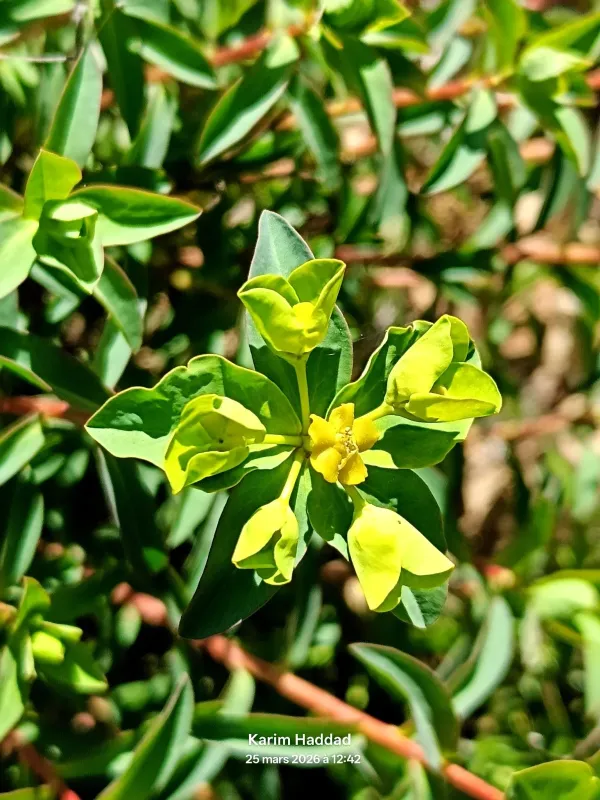
Description
Sowing dates
Euphorbia clementei belongs to the diverse Euphorbiaceae family, recognized for its specialized adaptation to arid environments. This herbaceous perennial thrives in conditions that challenge most common agricultural crops.
Propagation is typically achieved through seeds sown during the warm season when temperatures are between 15 and 20 degrees Celsius. The soil medium must be highly permeable, utilizing sand or perlite mixtures to ensure optimal aeration.
Successful germination requires precise depth control, usually between 0.5 and 1 centimeter. Given the slow growth rate of the seedlings, specialized nursery protocols are recommended to minimize competition from invasive plant species.
When sowing in trays, maintain a consistent environment that prevents rapid moisture fluctuations. Gradual hardening of the seedlings is necessary before they are transplanted to their final growing location.
Density management is critical for the long-term health of the crop. Proper spacing allows for adequate airflow, which is the primary defense against localized humidity pockets that can damage the root structures.
Growing requirements
This species requires high light intensity to maintain its physiological integrity. It is adapted to full sun exposure, and its metabolic processes are highly dependent on the availability of direct ultraviolet radiation.
Soil requirements focus on excellent drainage and a neutral to slightly alkaline reaction. Heavy, clay-rich soils are entirely unsuitable as they impede root development and foster the growth of opportunistic pathogens.
Water requirements are minimal, reflecting the plant's evolutionary background. Irrigation should be restricted to the active growing period, with a total suspension of water application during the winter dormancy phase.
Thermal stability is important, though the plant can survive significant diurnal temperature variations. Protection from extreme frost is necessary, as the succulent tissues are susceptible to cellular rupture at temperatures below freezing.
Nutrient management involves minimal nitrogen fertilization to prevent excessive, weak growth. Micronutrients are more critical than macro-elements for maintaining the plant's natural hardiness and disease resistance.
Main diseases and pests
The primary threat to Euphorbia clementei is root rot caused by improper soil moisture management. Once the root system is compromised, the infection often spreads to the stem, leading to irreversible necrosis.
Pest pressures are primarily driven by spider mites and scale insects. These pests exploit the dry environment the plant thrives in, necessitating regular visual inspections to catch infestations at the early stage.
Fungal infections can also occur if the humidity levels rise unexpectedly. Proper sanitation practices, including the removal of dead tissue and debris, are essential to maintain a healthy growing environment.
Integrated pest management strategies should emphasize mechanical and biological controls before resorting to chemical applications. Systemic insecticides should be applied with extreme caution to avoid phytotoxicity.
Ongoing monitoring is required to identify signs of stress early. By maintaining strict control over soil aeration and hydration, producers can mitigate the vast majority of threats to the crop's development.