
Euphorbia ceratocarpa
Euphorbia ceratocarpa
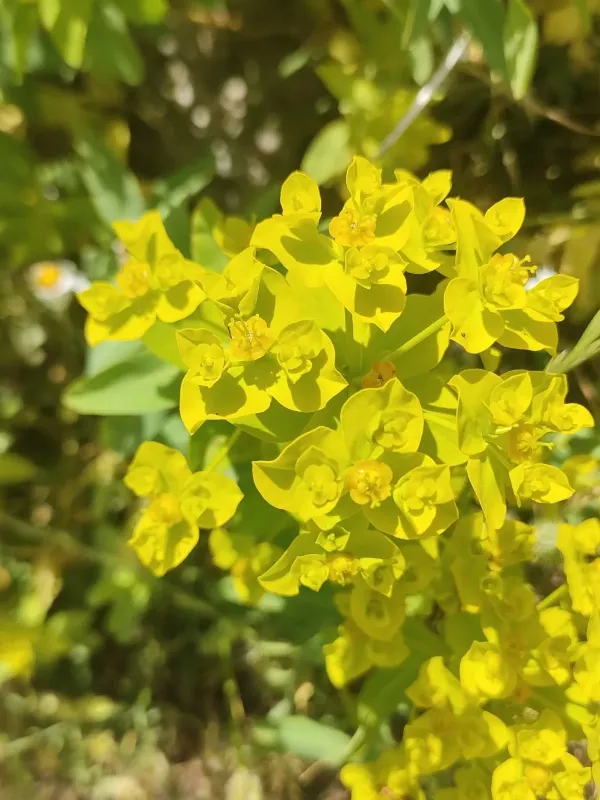
Description
Sowing dates
Sowing Euphorbia ceratocarpa seeds is typically performed in late autumn for winter stratification or in early spring following cold treatment. Successful germination relies on maintaining consistent humidity levels and proper seed coverage.
When using seed trays, sow in a light, well-draining medium and place in a bright, temperature-controlled environment of 15–20 degrees Celsius. Seedlings emerge over several weeks and require gentle light to prevent leggy growth.
Transplanting seedlings to their final location is recommended after the risk of frost has passed. Ensure that the root ball remains intact during the transition to minimize transplant shock and encourage rapid establishment in the new soil.
Spacing is essential for airflow, which is a key factor in preventing disease outbreaks. A distance of at least 50 to 60 centimeters between plants allows for optimal growth and ease of maintenance throughout the growing season.
Vegetative propagation via division is also an effective method for experienced growers. Carefully separating the rootstock in spring promotes immediate vigor in the new individual plants, retaining the parent characteristics.
Growing requirements
Euphorbia ceratocarpa is a perennial member of the Euphorbiaceae family, native to the Mediterranean region, particularly Italy and Sicily. It thrives in sunny locations where it can access full sunlight for most of the day.
The plant demands well-draining soil to prevent root rot. If the native soil is heavy or clay-like, incorporating organic matter and coarse sand is highly beneficial for establishing the necessary drainage profile.
Regarding climate, it is moderately drought-tolerant once established but benefits from supplemental watering during extreme summer heatwaves. It is best suited for climates with mild winters and warm, dry growing seasons.
Soil pH should ideally be neutral or slightly alkaline. Regular monitoring of the site is necessary to ensure that nutrients are available and that the soil does not become waterlogged, which is the primary enemy of this species.
Fertilization should be applied sparingly, focusing on low-nitrogen, balanced formulas. Over-fertilization can lead to weak stems and increased susceptibility to pests, so a measured approach is standard practice for this crop.
Main diseases and pests
Fungal diseases are the primary threat, particularly in regions with high humidity or poor soil drainage. Root rot and grey mould (Botrytis) are common issues that require strict adherence to water management protocols.
Powdery mildew may occur if plants are overcrowded or if air circulation is obstructed. Fungicidal treatments should be applied at the first sign of foliage discoloration to prevent the disease from spreading throughout the planting site.
Pest pressure is generally low because of the caustic latex sap contained within the stems. However, aphids can occasionally infest new shoot growth, particularly during the early spring development phase when plants are at their most vulnerable.
Integrated Pest Management (IPM) practices, including the removal of infected debris and ensuring proper plant health through sanitation, are the most effective strategies for long-term maintenance of Euphorbia crops.
If chemical interventions are necessary, always select products labeled for use on ornamental perennials and apply them according to the manufacturer’s instructions to protect local pollinator populations.