
Medusa's Head
Euphorbia caput-medusae
Description
Growing requirements
Medusa's Head (Euphorbia caput-medusae) is a distinctive succulent member of the Euphorbiaceae family. Native to the coastal areas of South Africa, this plant has adapted to harsh arid environments by developing a specialized water-storing caudex.
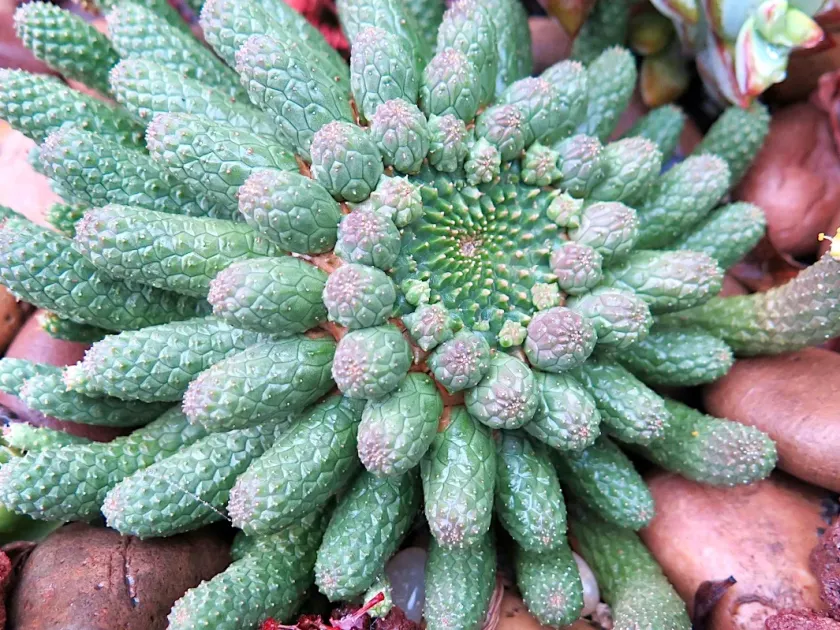
The botanical structure consists of a central, fleshy stem that serves as the main reservoir, surrounded by numerous snake-like branches. These branches are deciduous in nature, capable of retracting or growing depending on environmental water availability and light exposure.
High light intensity is the most critical environmental requirement for this species. To maintain its natural aesthetic, the plant needs direct sunlight for several hours daily; without adequate light, the branches will etiolate, losing their structural integrity.
Soil composition must prioritize drainage over nutrient density. A commercial cactus mix, further amended with inorganic materials such as pumice or coarse sand, ensures that the roots do not remain in contact with stagnant moisture for extended periods.
Temperature management should follow seasonal cycles. During the growing season, temperatures between 20°C and 30°C are preferred, while the winter dormant phase necessitates a significant reduction in water and a cooling period around 12°C.
Main diseases and pests
The most prevalent threats to this culture include fungal and bacterial rots caused by over-irrigation. Excessive moisture in the potting medium often leads to rapid decay of the caudex, which can be fatal to the entire plant within a very short timeframe.
Mealybugs are the primary pest concern, frequently infesting the tight junctions between the branches and the central stem. Their presence often goes unnoticed until the plant shows visible signs of growth inhibition and yellowing of the tissue.
Pest management relies on integrated control measures, including manual removal of insects and the application of systemic insecticides. Proper air circulation is essential to prevent micro-climates that favor pest proliferation and mold growth.
The plant produces a milky latex that acts as a natural defense mechanism against herbivores. This substance is highly caustic and potentially harmful to humans, requiring the use of gloves and eye protection during any pruning or propagation activities.
Regular sanitation of the growing environment, including the removal of dead or dried branches, is a standard agricultural practice to minimize disease spread. Maintaining a sterile working environment is crucial when dealing with succulent collections to prevent cross-contamination.