
Euphorbia capitulata
Euphorbia capitulata
Description
Growing requirements
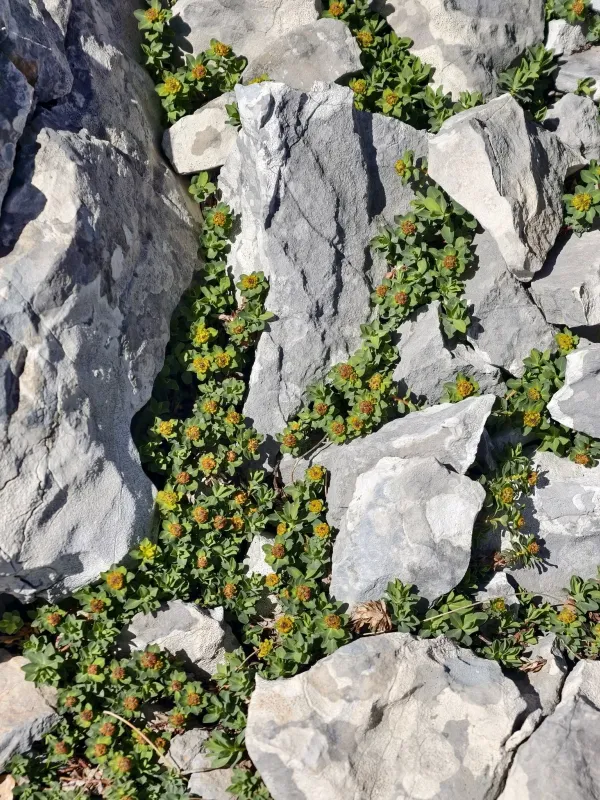
Euphorbia capitulata is a perennial herbaceous plant belonging to the Euphorbiaceae family. Native to the mountainous regions of the Balkan Peninsula, this plant has evolved to thrive in harsh, rocky environments where soil drainage is naturally high.
Botanically, it is known for its compact growth habit and dense foliage. The plant forms distinct, head-like inflorescences, from which the specific epithet capitulata is derived. Its structure makes it highly resilient to wind and mechanical stresses common in exposed habitats.
For successful cultivation, the plant requires full sun exposure and well-ventilated conditions. It is essential to ensure that the site receives consistent solar radiation throughout the day to support its physiological processes and prevent etiolation.
Soil requirements for this species are specific: it demands a lean, rocky, or sandy substrate with excellent porosity. High nutrient loads or water-logged soils are counterproductive, as they encourage root decay and reduce the plant's natural resistance.
Climate adaptation involves a tolerance for significant temperature fluctuations. While it handles alpine conditions well, maintaining moderate humidity levels during the initial growth phase is necessary to establish a robust root system before the plant faces seasonal extremes.
Main diseases and pests
Root rot is the most significant threat to Euphorbia capitulata, typically triggered by improper irrigation practices or poor soil drainage. Managing soil moisture is the primary defense strategy for growers to avoid total loss of the crop.
Aphids represent a common pest threat, particularly targeting the young, succulent shoots during the peak of the growing season. Early detection and targeted biological controls are recommended to keep populations below the economic injury level.
Spider mites may proliferate in environments where the air is excessively dry and stagnant. Maintaining adequate airflow around the plants and regular monitoring can significantly reduce the risk of infestation and subsequent plant weakening.
Weed competition poses a substantial challenge, especially during the first year of establishment. Given the plant's relatively slow growth rate, the removal of invasive weeds is mandatory to ensure the crop has sufficient access to nutrients and sunlight.
Preventative measures against fungal pathogens include maintaining proper plant spacing to facilitate air circulation. This simple technique significantly lowers the humidity around the crown of the plant, preventing the onset of leaf spotting and stem decay.