
Euphorbia capitellata
Euphorbia capitellata
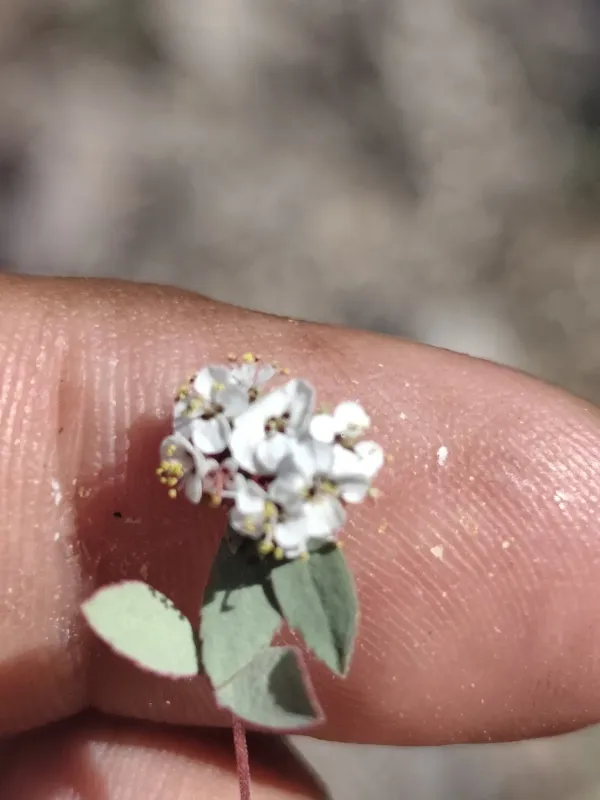
Description
Growing requirements
Euphorbia capitellata is a perennial succulent plant native to the arid regions of Central America, primarily found in Mexico. As a member of the Euphorbiaceae family, it has evolved to thrive in rocky environments and well-drained soils, exhibiting high tolerance to dry conditions.
The plant is recognized by its dense, upright stems and small, fleshy leaves that minimize water loss. The botanical highlight of this species is its clustered, capitate (head-like) inflorescences, which give the plant a distinct architectural appearance compared to other succulent varieties.
Cultivation of this species requires abundant sunlight to maintain its compact growth habit and vibrant color. Inadequate light exposure often results in etiolation, where the stems become thin, weak, and lose their natural ornamental appeal.
Regarding soil requirements, Euphorbia capitellata demands a porous, well-draining substrate, such as a cactus mix supplemented with grit or coarse sand. Proper drainage is critical, as stagnant water around the roots quickly leads to irreversible damage or plant death.
In terms of хозяйственное usage, it is strictly an ornamental crop favored in landscaping for dry gardens and xeriscaping projects. Its ability to withstand drought makes it a low-maintenance choice for gardeners in suitable hardiness zones who value unique plant shapes.
Main diseases and pests
The most common disease affecting Euphorbia capitellata is root rot, which is almost exclusively caused by overwatering or poor soil drainage. Once rot sets in, the vascular system of the plant is compromised, making it difficult to recover without major intervention.
Pests such as mealybugs represent a significant threat, particularly in controlled greenhouse environments. These insects hide in the crevices between stems, drawing nutrients from the plant and causing significant physiological stress to the succulent.
Spider mites are another frequent nuisance during hot and dry summer months. These microscopic pests feed on the surface tissues of the plant, leaving behind unsightly yellow spots and fine webbing that degrade the aesthetic value of the specimen.
Disease prevention is centered on proper hydration techniques, ensuring the soil dries out completely between waterings. Maintaining good airflow around the plant also helps to inhibit the development of fungal pathogens and discourages pest infestations.
Regular monitoring for early signs of infestation is essential for successful management. If pests are detected, the application of horticultural oils or targeted systemic insecticides can help manage population growth and restore the health of the plant.