
Euphorbia canuti
Euphorbia canuti
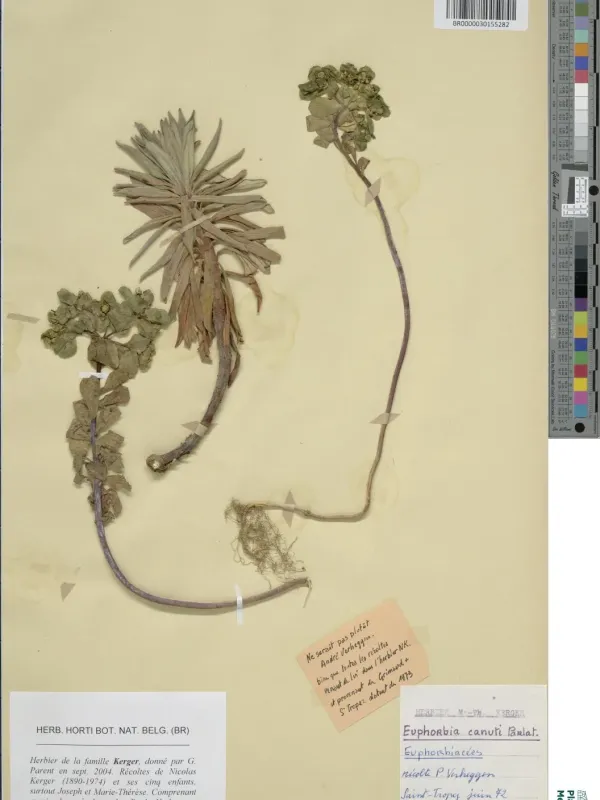
Description
Sowing dates
Euphorbia canuti belongs to the Euphorbiaceae family and is recognized as a rare succulent that requires precise horticultural conditions. It is primarily cultivated by collectors and in specialized nurseries rather than on a field scale.
Sowing should take place in early spring to utilize the increasing day length. An ideal window for germination is between March and April, which allows the seedlings enough time to establish a robust root system before the intensity of summer heat arrives.
The seeds must be sown in a highly permeable, gritty substrate consisting mostly of sand and perlite. The seed depth should be shallow, as the small seeds lack the energy to push through deep layers of heavy soil.
Maintaining a temperature range of 23–25 degrees Celsius is essential for germination. Containers should be kept under cover to retain humidity, although ventilation must be introduced immediately after the first seedlings emerge to prevent damping-off.
Once the seedlings have developed their first true leaves, they require individual potting into small containers. Young Euphorbia canuti plants are fragile and require careful handling to avoid damaging their sensitive, fleshy roots during transplantation.
Growing requirements
This species thrives in environments that mimic its natural arid habitat. It demands high levels of bright, indirect light, as direct, intense sunlight can scorch the succulent stems and cause permanent disfigurement of the plant.
Soil requirements focus on drainage above all else. A specialized cactus mix, amended with extra pumice or coarse gravel, is recommended to ensure that water never remains stagnant around the root zone, which is a major physiological stressor.
Temperature management is seasonal. During the growing season, temperatures between 25 and 30 degrees Celsius are optimal. In winter, the plant enters a dormant phase and requires cooler temperatures near 12–15 degrees Celsius to remain healthy.
Irrigation practices must be disciplined. Water only when the substrate is completely dehydrated throughout the pot. Providing too much water during the cooler, darker months is the most frequent cause of failure for this specific cultivar.
Proper airflow is critical to maintain plant vigor. Stagnant air encourages fungal development and keeps the plant's surface tissues constantly moist, which can lead to bacterial infections if not corrected through active ventilation.
Main diseases and pests
Root and stem rot are the most significant threats to Euphorbia canuti. These diseases are almost always the result of overwatering or the use of heavy, non-draining soil, which creates an anaerobic environment for pathogenic fungi.
Mealybugs are the primary insect pest associated with this plant. They often cluster in the hidden crevices of the stem, causing sap loss and potentially leading to the development of secondary infections through their feeding wounds.
Spider mites can also become an issue in low-humidity environments, especially inside greenhouses. These pests can rapidly affect the plant's health, leading to yellowing or spotting on the stem tissue, which severely impacts its aesthetic value.
Effective management includes systemic insecticides applied according to the manufacturer's instructions. If rot is detected, surgery on the plant—removing infected tissue and allowing the wound to dry—is the only way to potentially save the specimen.
Biosecurity is essential to prevent the spread of pests and diseases. Always keep new plants in quarantine for several weeks before introducing them to the main collection, and regularly sanitize all tools used for pruning or maintenance.