
Euphorbia cactus
Euphorbia cactus
Description
Growing requirements
Euphorbia cactus is a perennial succulent belonging to the Euphorbiaceae family. Native to the arid landscapes of Yemen and the Arabian Peninsula, it has evolved unique morphological features to thrive in extreme heat and water-scarce environments.
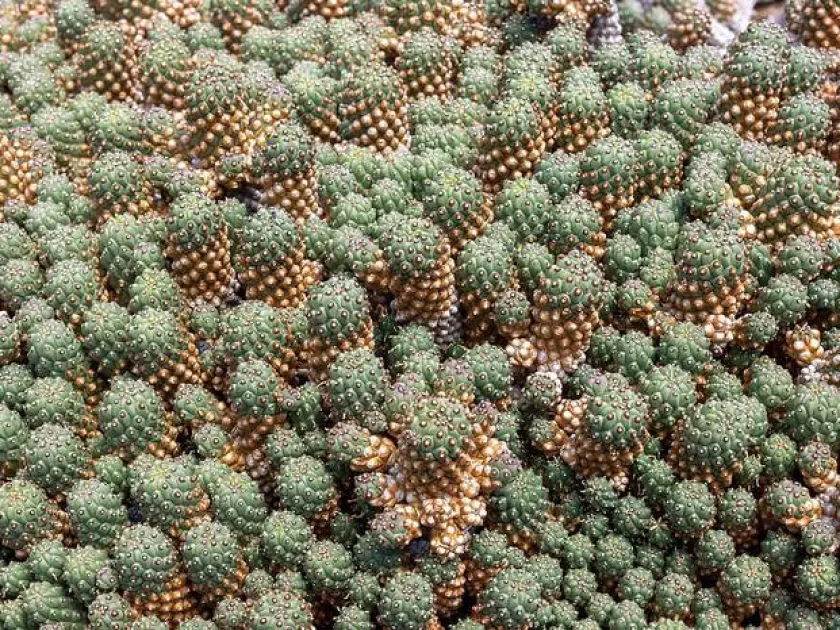
The plant features a distinct column-like stem with pronounced ribs adorned with spines. Like other members of the genus, its internal tissues are filled with a white, caustic latex that serves as a deterrent against herbivores and environmental stressors.
Successful cultivation requires a gritty, highly porous substrate that facilitates rapid drainage. The soil should consist primarily of mineral components such as sand and small stones, as organic-rich soil retains too much water and can trigger root rot.
Optimal environmental conditions involve high levels of direct solar radiation. The plant requires a well-lit environment to maintain its architectural form and structural integrity. Insufficient light leads to etiolation, where the stem becomes weak, thin, and pale.
Temperature management is critical for the survival of this species. It is a thermophilic plant that requires consistently warm temperatures during the growing season. It cannot tolerate freezing temperatures, making it suitable mainly for indoor cultivation or arid, frost-free climates.
Main diseases and pests
The primary threats to Euphorbia cactus are fungal pathogens, specifically those causing root and stem rot. These infections are almost always associated with excessive soil moisture or high humidity levels coupled with poor air circulation.
Mealybugs are the most common pests encountered during cultivation. They hide in the grooves between the ribs, making them difficult to detect until they have established large colonies. Regular inspections of the stem surface are essential for early control.
Spider mites can also become a problem in very dry and stagnant environments. They feed on the sap, causing small necrotic spots on the skin of the plant, which may later turn into larger wounds vulnerable to opportunistic fungal attacks.
Preventive care includes strictly controlled watering routines and ensuring that the plant receives adequate ventilation. If an infection occurs, affected areas should be carefully excised, and the tools must be disinfected after each cut to avoid cross-contamination.
Handling the plant requires significant caution, as the white sap is toxic and can cause severe skin irritation or damage to the eyes. Protective gear is recommended during all pruning and maintenance operations to ensure worker safety.