
Euphorbia bupleuroides
Euphorbia bupleuroides
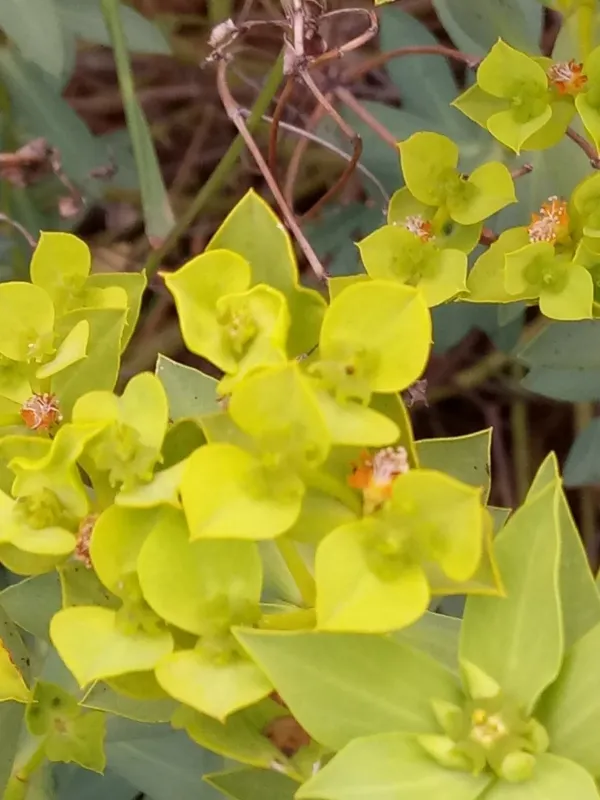
Description
Growing requirements
Euphorbia bupleuroides is a perennial herbaceous plant belonging to the Euphorbiaceae family. It is recognized for its unique foliage, which resembles the leaves of the Bupleurum genus, and its distinctive succulent-like structure adapted to harsh environments.
The native habitat includes dry slopes and arid regions, making it a highly resilient species. For cultivation, it requires full sunlight and does not tolerate shaded environments, which can lead to weakened stems and reduced growth rates.
The soil requirements are strict: the medium must be well-drained and slightly alkaline to neutral. It is highly intolerant of waterlogging, which necessitates careful site selection on loamy or sandy soils to ensure the root system does not suffer from hypoxia.
In terms of agricultural practice, this plant is categorized as a low-input crop. It thrives in poor soil conditions and does not require frequent irrigation or heavy fertilization. This makes it a candidate for sustainable agriculture in arid climates.
Beyond its botanical interest, the species is investigated for its chemical composition, specifically its milky latex, which contains secondary metabolites potentially useful in pharmaceutical applications and specialized chemical synthesis.
Main diseases and pests
Aphids are the most common pests found on Euphorbia bupleuroides. They primarily congregate on terminal buds and young foliage, sapping nutrients and causing deformation of the growing tips if left untreated.
Fungal pathogens such as powdery mildew are significant threats during periods of high humidity or poor ventilation. These manifest as a dusty white growth on the leaves, which can severely stress the plant if not addressed with fungicides.
Root rot is the most destructive condition for this species. It is almost exclusively caused by overwatering or compacted soil that prevents proper aeration. Once rot reaches the taproot, the plant is often impossible to save.
Rust infections can also occur, characterized by orange or brown pustules on the underside of leaves. Management involves physical removal of infected leaves and improving airflow to reduce local humidity levels around the crop.
Integrated pest management should focus on early detection and maintaining soil hygiene. Avoiding overhead watering is a primary preventive measure to keep foliage dry and minimize the risk of fungal proliferation.