
Euphorbia bravoana
Euphorbia bravoana
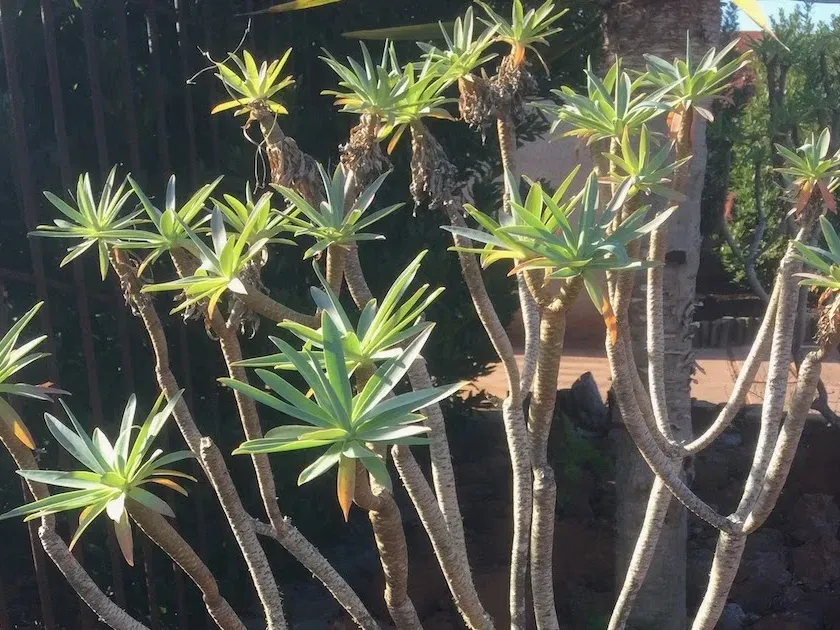
Description
Growing requirements
Euphorbia bravoana is a succulent shrub species belonging to the Euphorbiaceae family. It is a rare endemic plant found exclusively in the rugged landscapes of La Gomera, one of the Canary Islands, where it thrives in volcanic soil and harsh, exposed environments.
The plant exhibits a shrub-like growth habit with fleshy, water-storing stems typical of xerophytic plants. This biological adaptation allows the species to survive prolonged periods of drought, making it a specialized subject for xeriscaping or greenhouse collections.
Successful cultivation of this species requires well-draining, gritty soil compositions. Using a potting mix with high mineral content, such as pumice, perlite, and coarse sand, is essential to prevent root rot, which is the primary cause of plant failure in artificial conditions.
Environmental requirements include high levels of solar radiation. The plant requires intense, bright light to maintain its compact structure and structural integrity; inadequate light causes etiolation, leading to weak, distorted stem growth.
Temperature management is critical, as the species is not frost-tolerant. It performs best in environments that mimic its natural habitat, with warm temperatures during the day and cooler nights, ensuring the plant undergoes necessary metabolic cycles for healthy development.
Main diseases and pests
The most significant threat to the health of Euphorbia bravoana is the over-accumulation of moisture in the root zone, which facilitates the growth of pathogenic fungi and bacteria.
Pests, particularly mealybugs and spider mites, can infiltrate the plant, especially in low-airflow or high-humidity environments. These insects target the soft tissue between the stems.
The plant contains a toxic milky latex, which acts as a natural deterrent against many generalist herbivores but does not guarantee total protection against specialized sap-sucking insects.
Preventive maintenance involves strictly controlling the irrigation intervals, allowing the substrate to dry out completely between waterings to simulate natural rainfall patterns.
Chemical control should be approached with caution; applying systemic insecticides or specialized fungicides is recommended only after professional identification of the specific pest or pathogen pressure.