
Euphorbia brachyphylla
Euphorbia brachyphylla
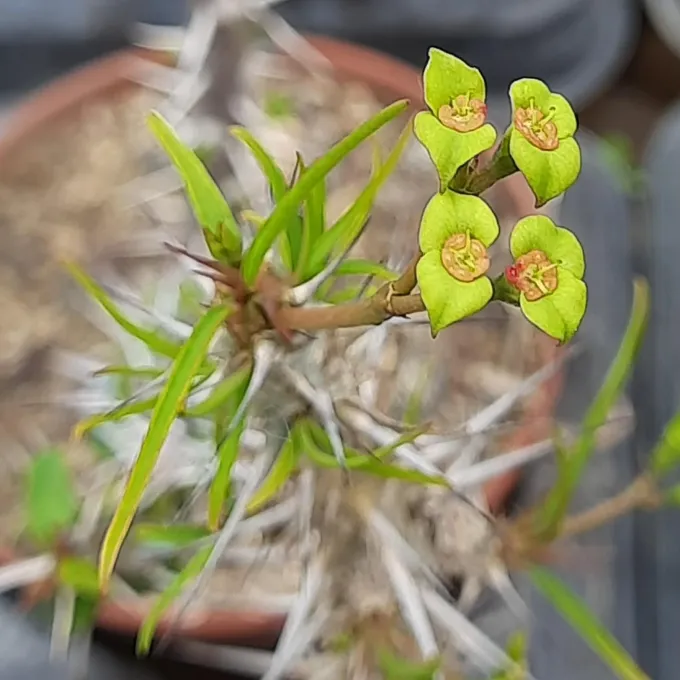
Description
Growing requirements
Euphorbia brachyphylla is a perennial plant species belonging to the Euphorbiaceae family. It is a distinct xerophytic plant, biologically adapted to survive in harsh environmental conditions with limited moisture availability.
The native range of this species is primarily concentrated in arid zones of Central Asia. The plant thrives in continental climates where high temperature fluctuations occur between day and night cycles.
Successful cultivation requires sandy, well-draining soil types. The plant is extremely susceptible to root rot if the soil moisture levels remain consistently high or if drainage is insufficient.
This species demands full sun exposure to maintain its physiological health and structural integrity. Any shade or obstruction to direct sunlight can severely impact the plant's development and morphological characteristics.
In terms of agricultural and practical application, Euphorbia brachyphylla is utilized for dry landscape design. Due to its toxic sap, it is not used for fodder and requires careful handling during any manual maintenance activities.
Main diseases and pests
The primary pathological threats to Euphorbia brachyphylla involve various root rot fungi, such as Fusarium. These diseases are triggered by poor air circulation in the root zone and excess moisture.
Common pests include spider mites and aphids, which often colonize the softer, younger tissues. Even though the sap is toxic to many animals, these insects manage to survive and reproduce, affecting the overall plant vigor.
Root-knot nematodes can represent a significant threat when growing the plant in compacted or non-aerated substrates. Their activity leads to reduced vitality and poor nutrient uptake efficiency.
Managing the plant health requires a rigorous approach to watering. Irrigation should be performed only when the top layer of soil has completely dried out, minimizing the risk of pathogen development.
Regular monitoring of the foliage for signs of pest activity is essential for early intervention. If infestations occur, using targeted biological or chemical treatments can preserve the health of the collection.