
Euphorbia bongolavensis
Euphorbia bongolavensis
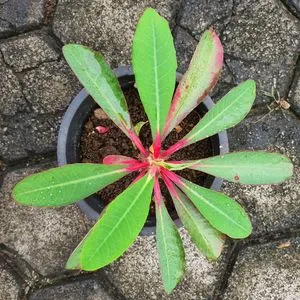
Description
Growing requirements
Euphorbia bongolavensis is a distinct species of succulent shrub belonging to the Euphorbiaceae family. Native to the rugged terrains of Madagascar, this plant has evolved as an expert in water conservation, making it a fascinating subject for specialized horticulture.
The plant thrives in rocky, mineral-rich substrates that mimic its natural habitat. When cultivating this species, it is essential to replicate these environmental conditions, focusing primarily on excellent drainage and intense sunlight exposure.
The ideal temperature range for active growth is between 22 and 28 degrees Celsius. Providing ample light is non-negotiable; inadequate lighting results in etiolation, which compromises the structural integrity and the natural aesthetic of the succulent.
The substrate must be highly porous, consisting largely of inorganic materials like coarse sand, volcanic rock, or perlite. Soil that retains excessive moisture will inevitably lead to root hypoxia and subsequent plant decline.
Watering should be approached with caution, adhering strictly to the "soak and dry" method. During the dormant phase, the plant requires significantly reduced irrigation to prevent physiological stress caused by cold or damp conditions.
Main diseases and pests
Fungal pathogens associated with overwatering constitute the primary threat to the longevity of Euphorbia bongolavensis. Root rot can manifest rapidly if the moisture levels in the root zone remain consistently high.
Insect pests such as mealybugs and spider mites are frequent invaders in greenhouse or domestic settings. These pests often congregate in the crevices of the succulent stems, making them difficult to detect until an infestation is well-established.
Monitoring the plant for localized wilting or discoloration is vital for early intervention. If pests are identified, immediate application of appropriate acaricides or systemic insecticides is recommended to curb population growth.
Proper air circulation serves as the best defensive measure against both fungal spores and common succulent pests. Stagnant air environments should be avoided to promote a healthy and resilient plant surface.
Operators must exercise extreme care due to the toxic latex contained within the plant's vascular system. Protective equipment is mandatory when handling or pruning the plant to prevent dermatological and ocular irritation.