
Euphorbia boissieriana
Euphorbia boissieriana
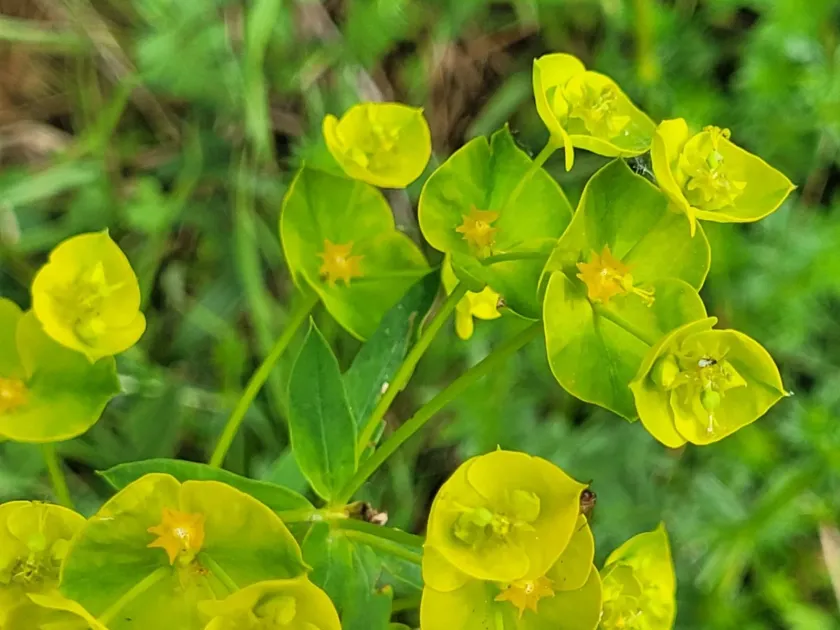
Description
Sowing dates
Euphorbia boissieriana is a unique member of the Euphorbiaceae family, native to arid rocky landscapes, requiring specific handling for successful propagation.
Seed propagation is the most common method, requiring a stratification process where seeds are kept in a cool, moist environment to break dormancy.
The optimal sowing time is early spring, using a well-draining, sandy-based medium to mimic the natural environment and prevent seed dampening.
Seeds should be lightly covered with coarse sand and kept in a brightly lit location, though protected from intense, direct midday sun during the initial germination stage.
Once seedlings achieve a height of three to five centimeters, they can be carefully moved to individual small pots to ensure strong root development.
Growing requirements
This species is highly adapted to intense sunlight, making it an excellent choice for sunny garden locations with excellent air circulation.
Soil composition must be extremely porous; a mix of gravel, volcanic rock, and minimal potting soil is ideal for maintaining the plant's health.
Irrigation must be strictly managed, with the plants allowed to dry out completely between waterings to prevent any risk of root rot or fungal infection.
The plant thrives in temperatures ranging from 15 to 30 degrees Celsius and requires protection from freezing temperatures combined with winter moisture.
Minimal fertilization is required; a light application of balanced, diluted fertilizer once during the spring is sufficient for annual growth needs.
Main diseases and pests
The primary threat to the stability of Euphorbia boissieriana is overwatering, which immediately triggers decay in the roots and base of the stem.
Fungal issues such as powdery mildew may occur if the plants are placed in stagnant air, necessitating better spacing and ventilation between individual specimens.
Pests such as spider mites and mealybugs can occasionally infest the plant, particularly in sheltered or greenhouse-grown conditions.
Control of these pests is best managed through integrated pest management techniques, such as using horticultural soaps or targeted, organic-friendly insecticides.
- Root rot caused by excessive moisture
- Powdery mildew in high humidity
- Spider mites during prolonged dry heat
- Mealybugs hiding in leaf axils
Harvesting
The cultivation of Euphorbia boissieriana is primarily dedicated to xeriscaping, botanical collections, and ornamental rock garden displays.
Seed harvesting is performed when the capsules begin to dry and change color, indicating that the embryos are fully developed and ready for storage.
Great care must be taken during handling, as the plant secretes a caustic milky latex that is irritating to the skin and eyes of the harvester.
Seeds are cleaned and stored in dark, cool conditions to ensure they remain viable, keeping the germination percentage high for the next season.
The plant itself is not harvested for industrial use, but rather maintained as a perennial ornamental species that adds structural value to dry landscapes.