
Euphorbia bisglobosa
Euphorbia bisglobosa
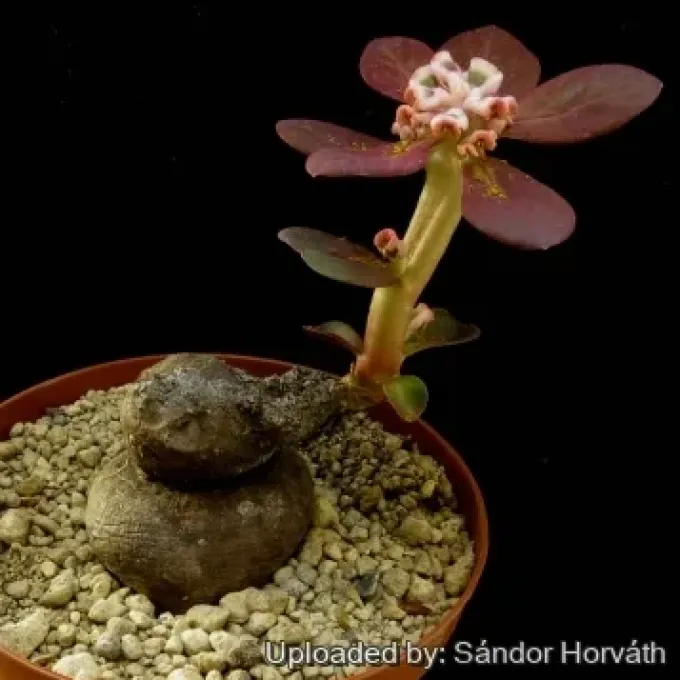
Description
Growing requirements
Euphorbia bisglobosa is a fascinating succulent species belonging to the Euphorbiaceae family. Native to the arid landscapes of South Africa, it has adapted to survive in environments with limited water and intense sunlight.
Cultivating this species requires a deep understanding of its natural environment. It thrives in well-lit conditions, requiring direct exposure to sunlight to maintain its structural integrity and unique growth pattern throughout the growing season.
The substrate must be highly porous and inorganic. A blend composed of coarse sand, pumice, and minimal organic matter is ideal for drainage, ensuring that roots are not kept in wet conditions, which is crucial for preventing tissue damage.
Temperature management is essential for healthy development. While it prefers warmth during the growing season, a significant cooling period during winter dormancy is necessary to trigger its natural physiological rhythms.
Watering practices should be minimal and focused. During the active growth phase, water only when the medium is completely dry. In contrast, during the dormant season, water intake should be restricted to prevent rotting of the succulent parts.
Main diseases and pests
The primary threat to Euphorbia bisglobosa is root rot, which is almost exclusively caused by overwatering or poor drainage. Once internal rot begins in succulent tissues, the plant is difficult to recover.
Mealybugs are the most common pest observed on this species. They frequently hide in the crevices of the plant's structure, making them difficult to detect without careful and frequent inspection of the stems.
Integrated pest management, including the use of systemic insecticides, is recommended to keep the plant free from infestation. Keeping the environment clean and well-ventilated helps prevent the spread of both pests and fungal spores.
Fungal pathogens can also exploit minor wounds or abrasions on the plant's skin, especially in high-humidity conditions. Maintaining dry, airy surroundings is the most effective preventative measure against such infections.
Regular monitoring for signs of distress, such as softening of the stem or discoloration, allows for early intervention. If pests are found, physical removal combined with appropriate treatments ensures the long-term survival of the plant.