
Euphorbia bilocularis
Euphorbia bilocularis
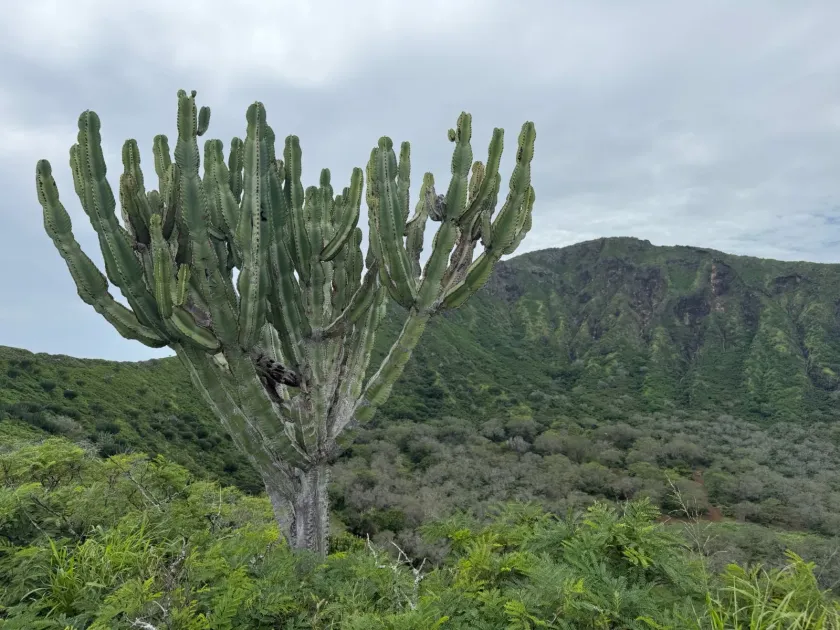
Description
Growing requirements
Euphorbia bilocularis is a succulent shrub belonging to the Euphorbiaceae family, native to the arid regions of Africa. This plant is well-adapted to harsh environmental conditions, featuring specialized tissues for water storage within its stems.
The culture thrives in environments with high solar intensity and requires a warm climate, with temperatures generally ranging from 20 to 35 degrees Celsius. It is highly sensitive to frost and cold, which can cause severe damage or death to the plant tissue.
In terms of agricultural soil requirements, Euphorbia bilocularis demands excellent drainage. Sandy or rocky substrates are preferred to prevent water stagnation, which is the primary cause of root degradation and death in this species.
Proper cultivation management involves controlled watering, specifically ensuring that the root system is not kept in overly moist soil. During the dormant season, watering should be significantly reduced or stopped entirely to mimic natural dry cycles.
The species serves various purposes, including its application in xeriscaping projects and its potential role in biopharmaceutical research due to the complex chemical composition of its latex.
Main diseases and pests
Root rot and stem necrosis are the most significant diseases affecting Euphorbia bilocularis, almost always triggered by improper irrigation and poor soil aeration.
In terms of pests, spider mites and mealybugs present the most persistent threats. These insects thrive in dry, warm environments and can quickly weaken the plant by feeding on its nutrient-rich sap.
Monitoring the plant for localized wilting or discolored spots is essential for early detection, as once the rot sets in, it spreads very rapidly through the plant structure.
Integrated pest management strategies are advised, including the use of targeted systemic insecticides and ensuring proper hygiene in the growing area.
Maintaining optimal airflow around the plants helps in reducing the humidity that encourages fungal growth and provides an environment less hospitable to common succulent pests.