
Snow-on-the-mountain
Euphorbia bicolor
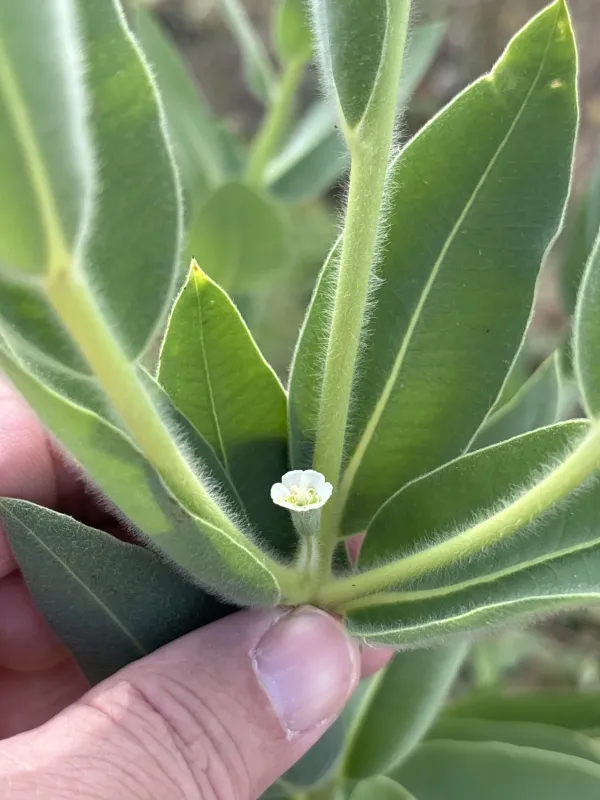
Description
Sowing dates
Snow-on-the-mountain (Euphorbia bicolor) is an herbaceous annual belonging to the Euphorbiaceae family. It is native to the plains and prairies of North America, where it thrives in open, sunny habitats.
Sowing in open ground should occur after the danger of frost has passed. The soil temperature should reach at least 15 degrees Celsius to ensure consistent germination of the seeds.
When starting seeds indoors, sowing is typically done 4 to 6 weeks before the last frost date. Using seed trays with a well-draining substrate is recommended for optimal results.
Seeds should be covered with a light layer of soil, no more than 0.5 cm deep. Consistent moisture must be maintained during the germination phase to ensure a high success rate.
Spacing is a critical factor for this species. Plants should be spaced 30 to 45 cm apart to ensure adequate airflow, which is essential for maintaining plant health and vigor throughout the growing season.
Growing requirements
Euphorbia bicolor requires full sun exposure to exhibit its characteristic white-bract coloration. Planting in partial or full shade will significantly diminish the plant's ornamental appeal and overall growth.
Soil requirements focus on excellent drainage. This plant is sensitive to waterlogged conditions, which frequently lead to root rot. Sandy or loamy soils are ideal for this cultivation.
While the plant is relatively drought-tolerant once established, it benefits from deep, infrequent watering during prolonged dry spells. Avoid overhead watering to reduce the risk of foliage disease.
Soil fertility should be moderate. Excess nitrogen fertilization should be avoided as it encourages vegetative growth at the expense of the characteristic flowering and bract development.
The plant is highly sensitive to cold temperatures. It is strictly an annual in non-tropical climates and will perish upon the onset of the first hard frost in autumn.
Main diseases and pests
Common pests include aphids and spider mites, which typically colonize the plant during periods of high heat or low humidity. Integrated pest management techniques are recommended for control.
Fungal pathogens such as mildew and root rot represent the primary disease threats. These are best managed by ensuring proper plant spacing and preventing soil from becoming excessively waterlogged.
Virus transmission via sap-sucking insects can lead to systemic mosaic symptoms. Infected plants should be promptly rogue out to prevent the spread of the pathogen within the planting area.
Caution must be exercised during pruning or handling. The plant produces a milky, latex-like sap that can cause severe skin irritation, contact dermatitis, or eye inflammation upon contact.
Regular monitoring of the field is necessary. Early detection of stress symptoms allows for quick corrective actions, such as adjusting irrigation or applying appropriate organic treatments.