
Euphorbia berteroana
Euphorbia berteroana
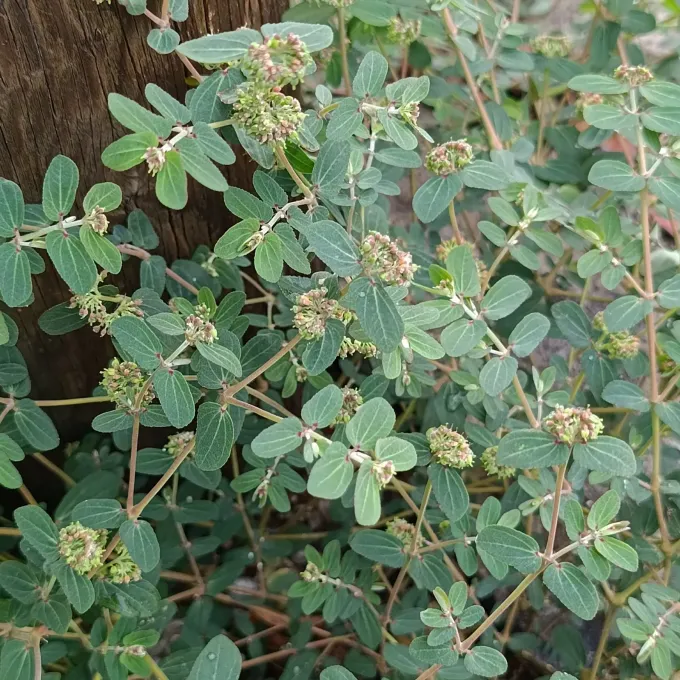
Description
Sowing dates
Euphorbia berteroana, a member of the Euphorbiaceae family, requires careful planning during the sowing stage to ensure successful establishment. The seeds are small and sensitive to environmental conditions during germination.
Sowing should be conducted when soil temperatures have consistently reached at least 15–18 degrees Celsius. Cold soil can cause seed dormancy or rot, leading to poor emergence rates.
A shallow sowing depth is critical for this species. Seeds should be placed no deeper than 1–2 centimeters to allow for efficient light capture, which is essential for early development.
Soil moisture must be strictly controlled during the first two weeks post-sowing. A firm seedbed created by light rolling helps maintain capillary moisture necessary for consistent germination across the field.
Standard field practices involve row spacing of 45 to 60 centimeters. This arrangement facilitates mechanical weeding and ensures that each plant receives adequate space to develop its foliage.
Growing requirements
This crop is highly demanding regarding solar exposure. Euphorbia berteroana performs best in locations with full, direct sunlight throughout the day to support its metabolic processes.
Soil structure is a primary factor in the success of the crop. Sandy loam or light silt soils that offer excellent internal drainage are preferred over heavy clays that can trap moisture and promote disease.
While the plant shows some tolerance to temporary moisture deficits, it requires consistent watering to reach its full potential. A steady water supply during the vegetative stage is essential for mass production.
The ideal soil pH for this Euphorbia species is near neutral. Highly acidic or alkaline environments can severely hinder nutrient uptake, particularly microelements necessary for growth.
Preparation of the field must involve deep tilling to break up compacted layers. A well-aerated soil profile allows the roots to penetrate deep, improving the plant’s overall resilience to environmental stress.
Yield
The yield of Euphorbia berteroana is determined primarily by the biomass accumulated during the vegetative growth phase. High productivity requires optimized nutrient management, particularly nitrogen.
Fertilization regimes should be balanced based on periodic soil testing. Nitrogen applications are most effective when provided in split doses, timed to match the plant's peak growth cycles.
Optimal plant density is crucial for maximizing yield. Overcrowding leads to increased competition for sunlight and resources, while excessive spacing fails to maximize the production potential per hectare.
Factors like local climate and length of the frost-free season strongly influence final harvest outcomes. Early autumn frosts can terminate growth prematurely, resulting in reduced overall yields.
Monitoring the plant health index during the growing season allows for timely adjustments in management, which can mitigate negative impacts from fluctuating environmental conditions.
Main diseases and pests
The most significant threat to the crop is root decay caused by excessive soil moisture and poor drainage. These conditions favor fungal pathogens that target the root crown and stem base.
Pests such as spider mites and aphids can become problematic during hot, dry spells. These organisms sap nutrients from the leaves, significantly weakening the plant's structural integrity.
Integrated pest management strategies are recommended to maintain field health. Biological control agents should be prioritized to avoid disrupting the plant's delicate physiology and potential residue issues.
Weed management is vital during the early growth stages, as Euphorbia berteroana grows slowly initially. Mechanical cultivation between rows is the standard practice for keeping competitive weed pressure low.
Crop rotation is a mandatory practice for sustainable production. Avoiding consecutive plantings of Euphorbia on the same plot prevents the build-up of host-specific pests and soil-borne diseases.
Harvesting
Harvesting is typically scheduled during the peak flowering stage to ensure the highest concentration of compounds in the harvested biomass. Timely execution is essential for quality control.
Mechanical harvesting requires specialized equipment settings. The plant contains a latex-like sap that can adhere to machinery components, necessitating regular cleaning during operation.
Post-harvest stabilization is a critical logistical step. The high moisture content in the green biomass requires rapid drying to prevent fermentation or fungal growth in stored raw materials.
If cultivated for seed production, harvest occurs once the seed capsules show signs of maturity. Care must be taken as capsules can dehisce, resulting in significant yield loss if left too long in the field.
Efficiency in transporting the harvested material to processing facilities prevents degradation of the raw product, ensuring the final output meets industrial quality standards.