
Euphorbia bemarahaensis
Euphorbia bemarahaensis
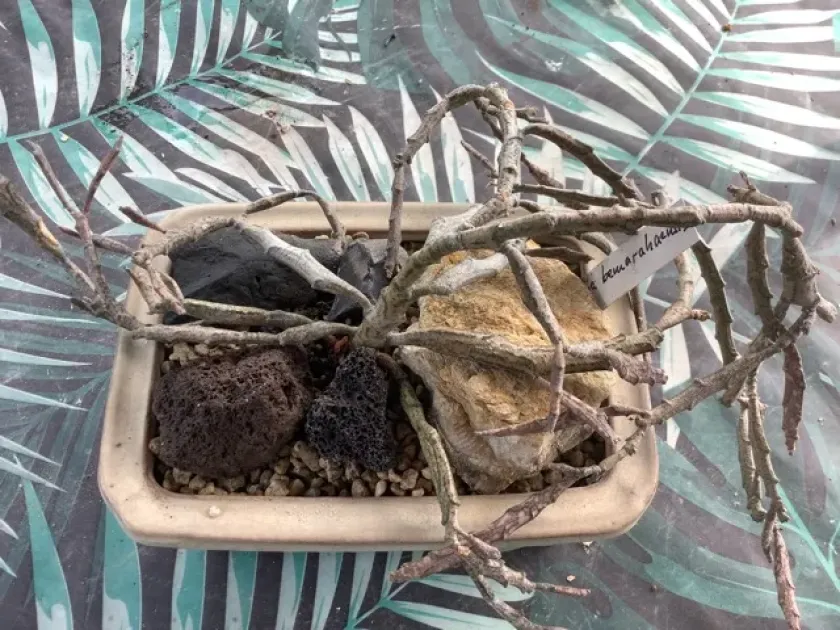
Description
Growing requirements
Euphorbia bemarahaensis is a distinctive succulent species belonging to the Euphorbiaceae family. It is an endemic plant native to the Tsingy de Bemaraha region in Madagascar, where it grows in specialized rocky habitats requiring unique adaptations.
As a highly specialized succulent, it features fleshy stems designed for water storage, allowing it to endure prolonged dry seasons. The plant displays slow growth rates, which is a common trait for species originating from high-stress, arid environments.
Light requirements are intense; the plant thrives in full sun exposure. Providing high levels of light is essential for maintaining the structural integrity of the plant and preventing the etiolation that occurs when light intensity is insufficient.
Soil composition must prioritize drainage above all else. A professional-grade succulent mix, consisting primarily of volcanic rock, pumice, and minimal organic content, is required to prevent water stagnation around the root system.
Climatic requirements demand tropical temperature ranges throughout the year. The species is highly sensitive to cold, and agricultural success in non-tropical zones relies on maintaining stable temperatures in greenhouses or controlled indoor environments.
Main diseases and pests
The primary agricultural threat to Euphorbia bemarahaensis is root rot, triggered by overwatering or soil with inadequate permeability. Once established, fungal pathogens attack the succulent tissues, often making the plant unsalvageable.
Spider mites represent a significant risk, particularly in indoor environments with low humidity. They feed on the sap of the succulent, creating visible damage that can weaken the plant and render it susceptible to secondary infections.
Mealybugs are common pests that hide within the structural folds of the plant's stems. Due to their tendency to cluster in protected areas, they require diligent monitoring and localized treatment to prevent infestations from spreading.
Poor ventilation leads to fungal spots on the stems, which can degrade the plant's surface. Maintaining a constant flow of fresh air is a crucial preventive measure for any grower aiming to keep the collection healthy and vigorous.
Soil-borne nematodes pose a severe risk to the health of the root system. Infested plants show significant decline in growth, which necessitates strict soil sterilization protocols and periodic inspection of the root structure to ensure long-term viability.