
Euphorbia bahiensis
Euphorbia bahiensis
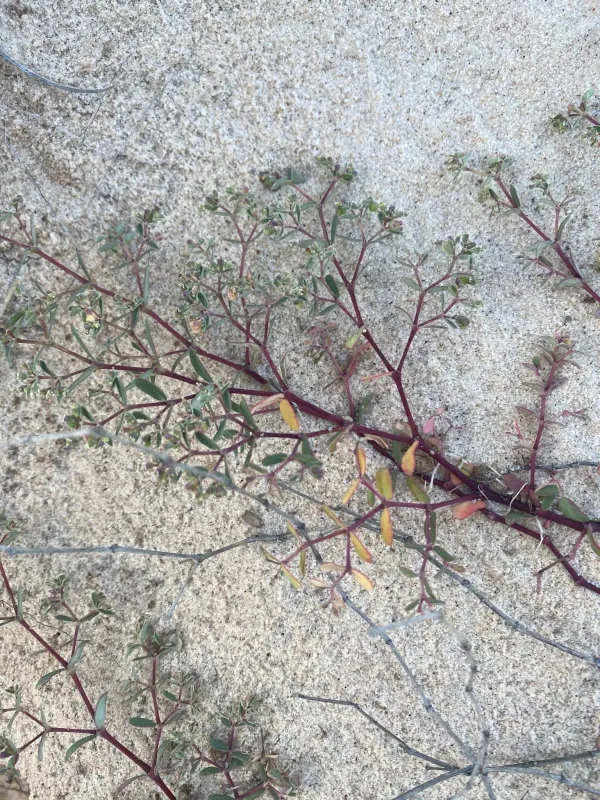
Description
Growing requirements
Euphorbia bahiensis is a distinct succulent species belonging to the Euphorbiaceae family. This perennial plant is highly adapted to arid environments, possessing specialized tissues that allow for significant water storage during prolonged dry spells.
Originating from the eastern regions of Brazil, the plant is found in habitats characterized by rocky soil and high levels of sunlight. Its morphology is typical of species evolved for survival in nutrient-poor, high-drainage terrains found in its native range.
Successful cultivation requires soil that mimics its natural habitat. The substrate must be exceptionally well-draining, typically consisting of a mix of coarse sand, perlite, and a small fraction of organic matter to ensure root aeration and prevent rot.
The plant thrives in warm temperature regimes and is sensitive to frost. In non-tropical climates, Euphorbia bahiensis must be kept in controlled environments such as greenhouses to protect it from sudden cold snaps and excessive winter moisture.
Light requirements are intense; the plant demands full sun exposure for the majority of the day to maintain its compact habit and health. Reduced light levels often result in etiolation and a significantly weakened physiological state.
Main diseases and pests
The primary threats to Euphorbia bahiensis are fungal diseases associated with poor drainage and high humidity. Excessive watering is the most frequent cause of mortality, leading to rapid decay of the root system and basal stem rot.
Mealybugs are the most persistent pest for this species. These insects thrive in the nooks and crannies of the plant's structure, where they feed on the sap and create entry points for secondary infections by compromising the plant's epidermis.
The plant contains a milky latex that acts as a chemical defense mechanism against herbivores. While this protects it from many generalist pests, it requires caution during handling, as the latex can cause severe skin and eye irritation.
Preventive care involves maintaining a clean growth environment and ensuring consistent airflow around the plant. Avoiding water contact with the stem surface helps significantly in reducing the risk of fungal infections.
Management of established pest infestations requires targeted use of acaricides or insecticidal soaps. Consistent monitoring and quarantine of new specimens are essential practices to ensure the long-term health of a collection.