
Euphorbia aulacosperma
Euphorbia aulacosperma
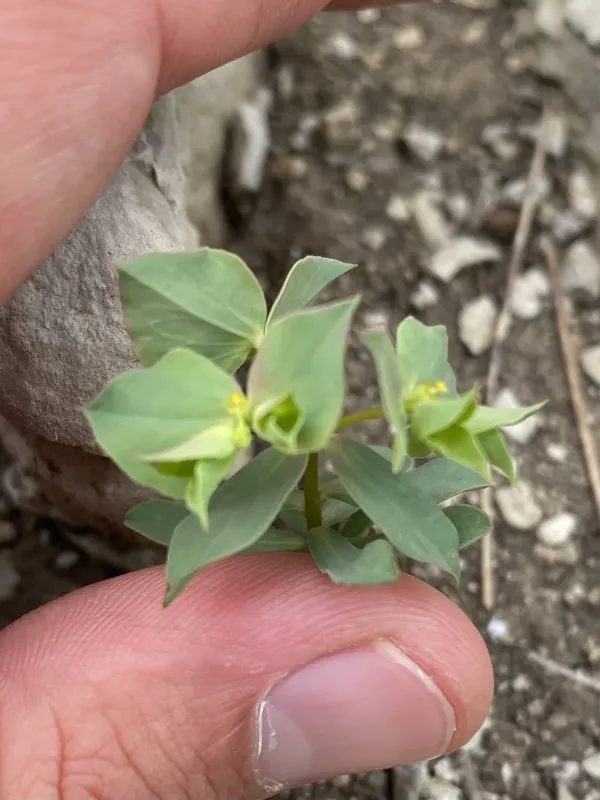
Description
Growing requirements
Euphorbia aulacosperma is a perennial herbaceous plant belonging to the Euphorbiaceae family. It is recognized for its unique adaptation to harsh environments, particularly within its endemic range in Central Asian regions, making it a subject of interest for specialized agriculture.
The crop thrives in well-drained, sandy, or rocky soil profiles. Its root system is specifically adapted to search for moisture in deep soil layers, which makes it highly resistant to prolonged drought conditions common in its native habitat.
As a sun-loving species, Euphorbia aulacosperma requires full exposure to direct sunlight. Adequate light intensity is essential for both vegetative growth and the successful production of seeds, which contain the primary industrial oils and alkaloids.
Agronomic management should focus on soil aeration and the avoidance of irrigation methods that cause waterlogging. The plant performs best in neutral to slightly alkaline soil conditions, avoiding heavy clay soils that retain excess moisture during rainy seasons.
Economically, the species is investigated for its potential in producing natural latex and bio-compounds useful in the pharmaceutical sector. Its ability to grow on marginal lands makes it a candidate for sustainable land use programs in arid zones.