
Euphorbia arabica
Euphorbia arabica
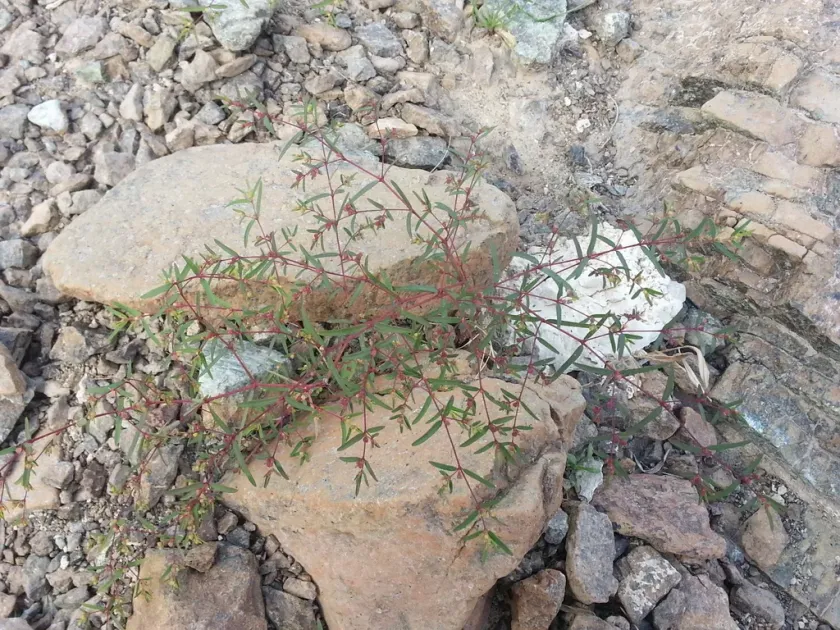
Description
Sowing dates
Sowing Euphorbia arabica seeds requires careful temperature management, typically conducted in spring when soil temperatures stabilize between 15 and 18 degrees Celsius. Seed stratification prior to sowing is often recommended to improve germination rates in temperate climates.
Seeds should be placed at a shallow depth of 1 to 2 centimeters to ensure adequate light exposure. Row spacing must be set at approximately 40 to 50 centimeters, allowing for proper airflow and reducing the risk of fungal proliferation in dense plantings.
The use of seedlings as a starting point is a viable strategy for professional growers, allowing for better survival rates upon transplanting. Seedlings should be introduced to the field only after the frost risk has completely passed.
Site selection is critical, as this species demands high intensity of solar radiation for optimal growth. Exposure to direct sunlight for the majority of the day is essential for maintaining the plant’s health and robust stalk formation.
Soil preparation involves deep loosening of the top layer to ensure the root system can access oxygen. Proper drainage is the most vital factor during the initial establishment phase of the crop lifecycle.
Growing requirements
Euphorbia arabica belongs to the diverse Euphorbiaceae family, showcasing specialized adaptations to arid environments. Its natural habitat includes the harsh landscapes of the Arabian Peninsula, where water scarcity is the primary limiting factor for most vegetation.
The crop thrives in sandy, well-draining soils with neutral to alkaline pH levels. It is highly sensitive to waterlogging, as standing water in the root zone can trigger rapid tissue decay and eventual plant death.
This species is well-known for its exceptional drought tolerance, utilizing succulent stem tissues to store moisture. It performs best in high-heat conditions and can withstand significant temperature fluctuations that would damage most other commercial crops.
Morphologically, the plant exhibits a hardy exterior, effectively minimizing moisture loss through transpiration. This physiological resilience makes it a suitable candidate for sustainable agriculture in arid and semi-arid regions.
Nutrient requirements are modest compared to traditional cereal crops. Excessive fertilization, particularly with nitrogen, should be avoided as it can weaken the plant's natural structural integrity and increase susceptibility to environmental stress.
Main diseases and pests
Root rot remains the most significant threat to Euphorbia arabica, primarily caused by improper watering techniques or heavy, clay-rich soils. Ensuring a fast-draining substrate is the most effective preventative measure against these soil-borne pathogens.
Common pests such as spider mites and aphids can become problematic during periods of prolonged heat stress. Regular monitoring and the application of targeted biopesticides are recommended to prevent infestations from compromising the plant health.
Powdery mildew may develop if humidity levels increase significantly in an environment with poor airflow. Improving the ventilation between plants is usually sufficient to mitigate this issue without the need for excessive chemical intervention.
Nematode infestations can lead to stunted growth and reduced yields in certain soil types. Integrated pest management, including crop rotation and soil sterilization, is highly recommended for large-scale operations.
General plant maintenance requires the removal of any diseased material promptly to prevent the spread of infections. Proactive monitoring and a strict irrigation schedule are the pillars of a successful cultivation strategy.