
Euphorbia apios
Euphorbia apios
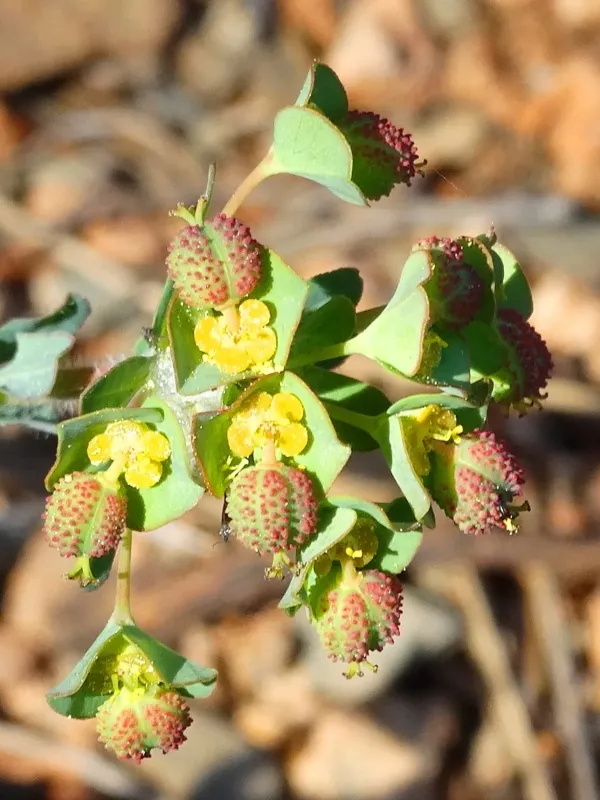
Description
Growing requirements
Euphorbia apios is a perennial herbaceous plant belonging to the Euphorbiaceae family. This species is primarily found in the Mediterranean region, where it occupies rocky, nutrient-poor habitats characterized by distinct seasonal fluctuations.
To successfully grow this crop, excellent soil drainage is an absolute necessity. The species has evolved in stony terrains and will fail quickly if exposed to waterlogged soil conditions, which lead to immediate root system decay.
Climate requirements for this plant include warm, dry summers and mild, moist winters. It is a heliophilous species that requires full sunlight exposure to maintain its compact growth form and prevent excessive elongation of the stems.
The botanical highlight of Euphorbia apios is its tuberous root system. These structures act as storage organs, allowing the plant to survive extended periods of drought by sequestering vital nutrients and moisture throughout the dry season.
In terms of agricultural and horticultural use, this plant is primarily valued for its resilience in poor, rocky soils. It serves as an interesting subject for xeriscaping and botanical collections that focus on Mediterranean flora with unique morphological adaptations.
Main diseases and pests
The most significant threat to the health of Euphorbia apios is fungal root infection, often caused by overwatering or soil compaction. Preventing moisture accumulation around the tuberous root is the primary step in maintaining a healthy population.
While the plant's milky latex is highly toxic to most herbivores, it can occasionally be affected by aphids during the early stages of the growing season. Management typically involves manual removal or targeted interventions if the infestation threatens plant vitality.
Weed competition poses a major agronomic challenge, especially during the seedling stage or after dormancy ends. Because the plant grows relatively slowly, surrounding vegetation can easily overwhelm it, necessitating consistent manual weeding.
Pathogen spread is usually facilitated by infected tools or contaminated soil. Maintaining strict hygiene protocols when handling the plants is essential, as the latex contains substances that can complicate the healing of any physical tissue damage.
Environmental threats also include changes in the native soil moisture levels. Even minor alterations in the local landscape that increase humidity or soil dampness can drastically reduce the longevity of the plant, making site selection the most important factor in cultivation.