
Euphorbia antso
Euphorbia antso
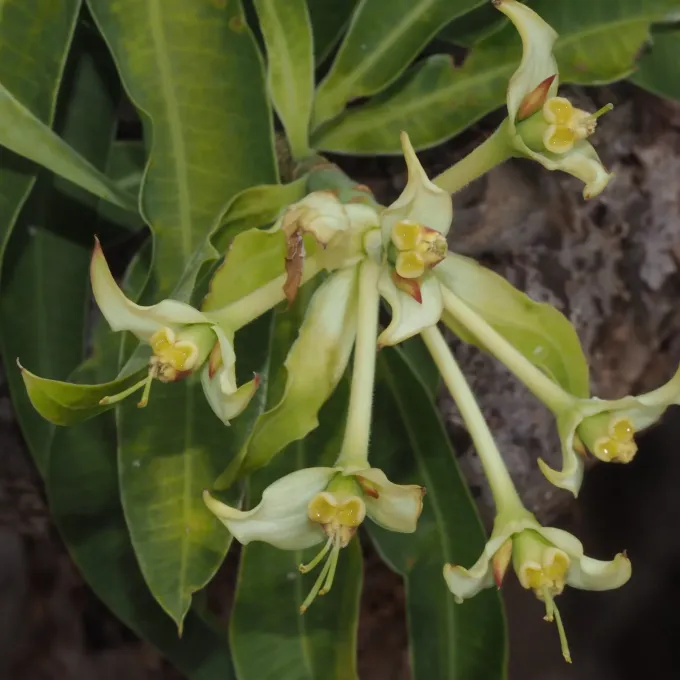
Description
Growing requirements
Euphorbia antso is an endemic species of succulent shrub belonging to the Euphorbiaceae family. This plant originates from Madagascar, evolving within arid environments where water scarcity is the defining factor of its biological development.
Morphologically, it is characterized by a sturdy, woody trunk and specialized succulent branches that store moisture. These adaptations allow the plant to withstand prolonged dry seasons in its native habitat while maintaining physiological stability.
Cultivation requires exposure to high-intensity light. In controlled environments, it is crucial to position the plants in sunny locations to ensure dense stem formation and prevent etiolation, which compromises the plant's structural integrity.
Soil requirements focus on extreme drainage. A mineral-based substrate, preferably containing sand and volcanic scoria, is essential to prevent moisture accumulation around the roots, which is the primary cause of plant death in cultivation.
Temperature management is critical for the long-term health of the species. It thrives in warm conditions, typically between 20°C and 30°C, and requires a strictly controlled irrigation schedule that mimics the seasonal patterns of its origin.
Main diseases and pests
Root and stem rot caused by fungal pathogens represent the most significant threat to Euphorbia antso, usually triggered by improper watering techniques or poor aeration.
Mealybugs are the most common insect pests, often colonizing the crevices of the branches and causing sap depletion, which weakens the plant and invites secondary infections.
Spider mites may occasionally occur if the indoor environment lacks proper ventilation and air circulation, leading to aesthetic damage on the stems.
Treatment involves the use of systemic fungicides and horticultural oils, provided that the underlying environmental issue causing the vulnerability is corrected immediately.
Regular monitoring of the succulent's epidermis is recommended to detect early signs of infestation before pests spread to other parts of the collection.