
Euphorbia anoplia
Euphorbia anoplia
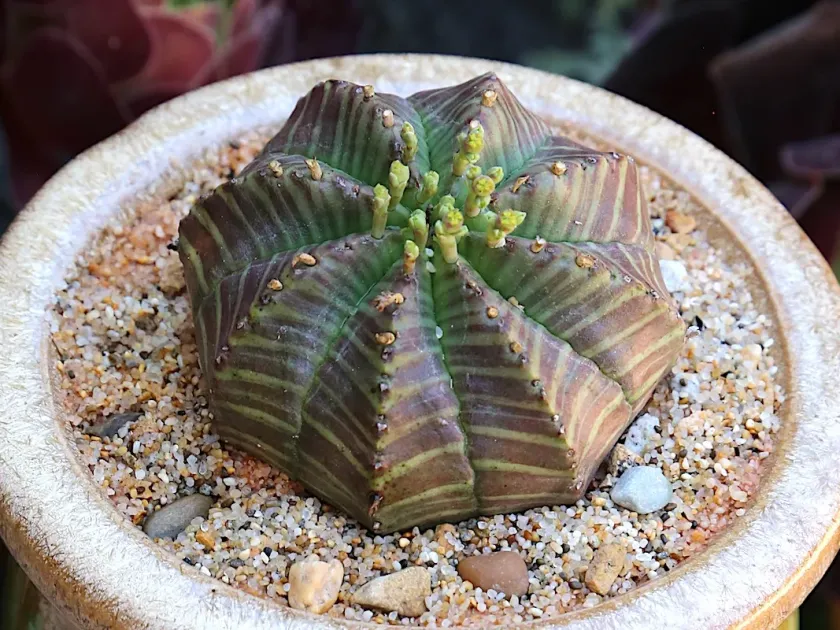
Description
Growing requirements
Euphorbia anoplia is a distinctive succulent member of the Euphorbiaceae family, native to the arid regions of South Africa. This plant is well-adapted to harsh environments, characterized by its thick, rib-like stem structures designed for efficient water storage.
For optimal growth, the species requires an extremely well-draining soil mix. A professional potting substrate should consist of coarse sand, pumice, and minimal organic peat to prevent the accumulation of moisture, which is lethal to the root system in damp conditions.
Light intensity is a critical factor for Euphorbia anoplia. It thrives under bright, direct sunlight, which helps maintain its compact, columnar architecture and prevents etiolation. In environments with insufficient light, the plant will stretch, lose its pigmentation, and become susceptible to structural failure.
Temperature management follows a seasonal cycle: active growth occurs during the warm summer months, ideally between 22°C and 28°C. During the winter months, a cool rest period at temperatures around 12–15°C is essential for the long-term health and vitality of the plant.
Irrigation must be strictly managed to mimic the plant's native semi-desert climate. Watering should only occur when the soil is completely dry. Over-watering is the primary cause of cultivation failure, often leading to rapid tissue decay during cooler or cloudy periods.
Main diseases and pests
The primary threats to Euphorbia anoplia are fungal infections, specifically root rot and stem rot, which result from improper drainage and inadequate airflow. These diseases can progress rapidly, leaving little time for effective intervention if not caught early.
Mealybugs are the most common pests affecting this species. They frequently hide in the deep grooves between the plant's ribs, making manual removal difficult. Their presence can introduce secondary bacterial infections through the wounds they cause on the plant's skin.
Spider mites are another significant pest, particularly in environments with poor ventilation and low humidity. These microscopic arachnids target the soft tissues, leading to discoloration and a significant reduction in the plant's overall aesthetic and biological vigor.
Root aphids pose a hidden danger, often colonizing the root system undetected until the plant shows signs of general collapse. Regular monitoring of the root ball when repotting is highly recommended to detect such infestations before they become systemic.
Integrated pest management, including systemic insecticides and proper cultural practices, is recommended. Always exercise extreme caution when handling the plant, as the white latex sap is highly irritating and can cause severe skin and eye inflammation.