
Euphorbia ankarensis
Euphorbia ankarensis
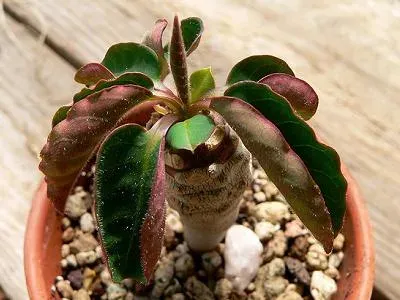
Description
Growing requirements
Euphorbia ankarensis is a distinct species of succulent plant belonging to the Euphorbiaceae family. This rare plant is endemic to the Ankarafantsika region of Madagascar, where it grows in specialized rocky habitats requiring high light intensity and drainage.
The plant is characterized by its prominent caudex, a thickened, succulent stem base that functions as a water storage organ. The branches are slender and may lose their small leaves during the dormant season, which is a natural physiological cycle of the species.
Optimal growth requires a bright location with plenty of indirect sunlight. While these plants tolerate some direct exposure, intense midday sun can cause severe tissue damage, especially in greenhouse conditions where light levels are amplified.
Regarding substrate composition, a highly mineral-based mix is essential. A combination of coarse sand, pumice, and grit ensures that the root zone receives adequate aeration, preventing the risk of hypoxia and subsequent fungal infections.
Watering practices must be disciplined. During the active growing phase, water should be applied only when the substrate has dried out completely. Throughout the winter dormancy, water should be withheld almost entirely to mimic the dry season of its natural range.
Main diseases and pests
Root rot is the most critical threat to Euphorbia ankarensis, typically caused by waterlogged soil and inadequate ventilation. Once the roots begin to decay, the infection often spreads rapidly to the caudex, which can be fatal for the specimen.
Pest infestations including mealybugs and spider mites are common issues in indoor collections. These pests thrive in dry, stagnant air conditions and can cause significant damage to the epidermis, leaving the plant susceptible to secondary infections.
Fungal pathogens can colonize the plant if the humidity remains too high for extended periods without proper airflow. Using a fan or ensuring good ventilation around the plant is a critical preventive measure for any succulent enthusiast.
It is important to handle the plant with extreme caution because all parts contain a toxic, milky latex. This substance can cause severe irritation to human skin and eyes, so protective gear is highly recommended during pruning or repotting tasks.
Effective management includes regular monitoring and prompt isolation of any new plants to prevent the introduction of common greenhouse pests. Prevention remains the primary strategy, as treatment of established infections is often difficult for this slow-growing species.