
Euphorbia angusta
Euphorbia angusta
Description
Growing requirements
Euphorbia angusta is a perennial species belonging to the Euphorbiaceae family. Originating from the arid regions of Southern Africa, it has evolved specific physiological mechanisms to survive in environments with high solar radiation and irregular precipitation patterns.
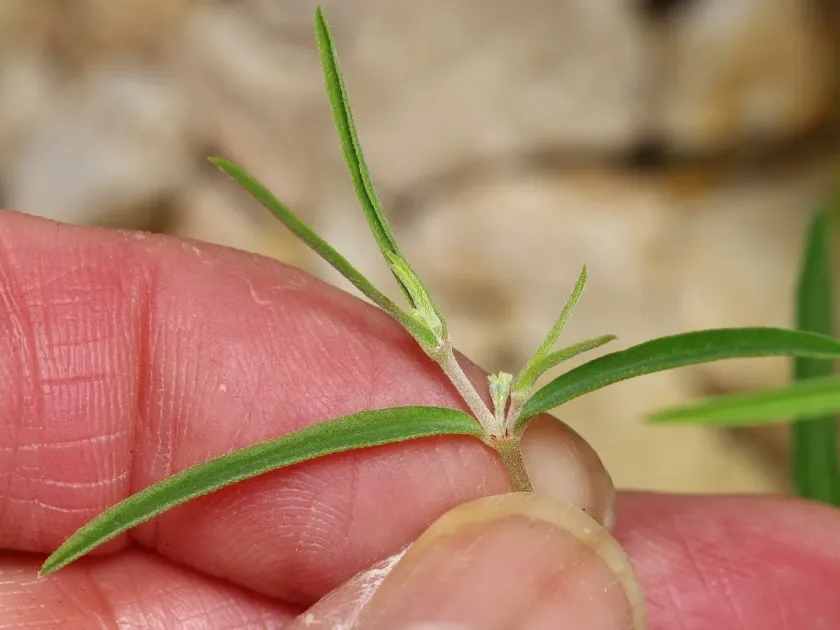
The plant is characterized by its slender, elongated foliage and a robust root system capable of storing nutrients. Being a true xerophyte, it relies on these adaptations to thrive in substrates that are typically unfavorable for more demanding agricultural crops.
Soil requirements are strictly focused on porosity and drainage. Cultivation is most successful in gritty, sandy loam soils that prevent moisture accumulation. Excessive organic matter should be avoided to prevent the development of root pathogens and ensure the plant remains compact.
Climate needs include full sun exposure throughout the growing season. While the species is resilient, it requires stable ambient temperatures and is highly sensitive to frost, which can cause internal cell rupture and permanent damage to the vascular tissue.
Agricultural management requires a disciplined approach to irrigation. Water should be applied sparingly, allowing the root zone to dry out completely between sessions to mimic the natural hydration cycles found in its native habitat.
Main diseases and pests
Root rot remains the most significant threat to the health of Euphorbia angusta. This condition is almost exclusively linked to poor drainage and over-irrigation, leading to the rapid decay of the root system and eventual plant collapse.
Pests such as mealybugs and spider mites are frequent invaders. These insects target the plant's sap, weakening the foliage and creating entry points for secondary fungal infections that can be difficult to manage once established.
The milky latex produced by the plant serves as a chemical defense mechanism, yet it does not always deter specialized pests. Farmers should monitor for signs of infestation in leaf axils, where insects often congregate away from direct observation.
Fungal pathogens often appear as dark lesions on the stems. Early identification is crucial; if spotted, the affected tissue should be treated with systemic fungicides or removed, and the surrounding environment must be adjusted to lower humidity levels.
Preventative measures include maintaining adequate airflow and avoiding overhead watering. Keeping the environment clean and using sterile equipment during any maintenance or propagation activities helps sustain the long-term vitality of the crop.