
Euphorbia andrachnoides
Euphorbia andrachnoides
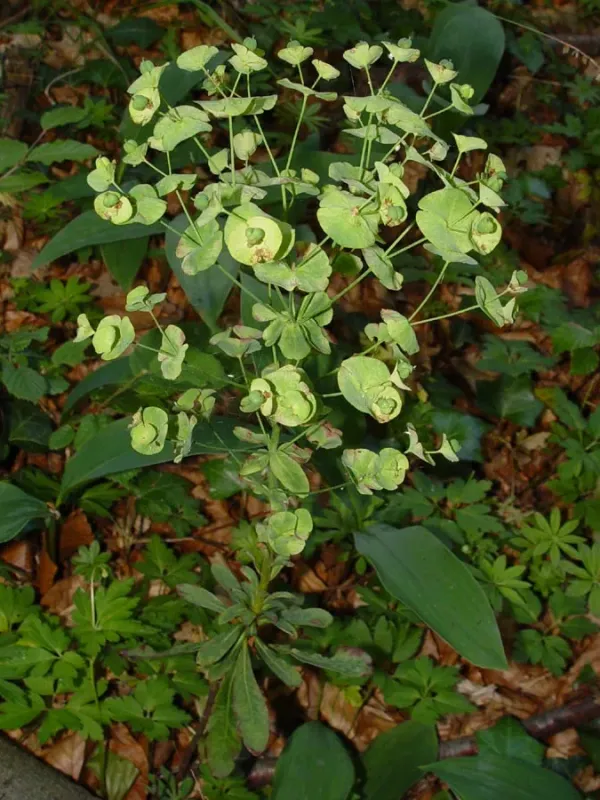
Description
Sowing dates
Sowing seeds of Euphorbia andrachnoides is best performed in the spring, when soil temperatures consistently reach 10–12 degrees Celsius. The seeds require a one-month cold stratification process before planting to ensure uniform and high germination rates.
Seeds should be sown at a depth of 1–2 centimeters, allowing sufficient oxygen for the embryo to sprout. In industrial cultivation, row spacing should be maintained at 45–60 centimeters to facilitate mechanical weed control and maintenance.
Starting the crop indoors using seedling trays is also a viable method. This approach significantly shortens the vegetation cycle and ensures that young plants are robust enough to withstand outdoor environmental conditions upon transplanting.
Soil preparation is crucial; the substrate must be well-drained and possess a neutral to slightly alkaline pH. Compacted soil can inhibit the development of the root system, so deep tilling prior to sowing is recommended.
Transplanting should occur in late May once all risks of late spring frosts have passed, as these can cause significant damage to the succulent tissues of young seedlings.
Growing requirements
As a member of the Euphorbiaceae family, this plant thrives in open, sunny locations with direct sun exposure. It is naturally adapted to rocky and nutrient-poor soils, making it a resilient crop for challenging environments.
A well-draining soil structure is the most critical requirement for Euphorbia andrachnoides, as standing water leads to rapid root decay. Incorporating gravel or coarse sand into the growing medium helps ensure optimal drainage.
The plant is exceptionally drought-tolerant once established and does not require frequent irrigation. During the first year of growth, however, consistent watering is necessary to support the developing root system before the plant reaches full maturity.
Optimal growth occurs in temperature ranges between 20–25 degrees Celsius. While it has moderate winter hardiness, mulching the base of the plants with organic matter is recommended in regions with severe winters to protect the crown.
Regular maintenance involves weeding and light cultivation of the soil surface between rows. This ensures that the plants are not competing for nutrients or light, promoting healthier and more uniform crop development.
Yield
The economic value of Euphorbia andrachnoides lies in its vegetative biomass, which contains specific alkaloids and essential compounds. Peak yields are typically observed from the second to the third year of cultivation.
Fertilization with phosphorus and potassium is effective in boosting vegetative growth. Organic amendments should be incorporated during autumn soil preparation to ensure a steady supply of nutrients for the next growing season.
Productivity is largely dictated by sunlight intensity and soil quality. The highest yields are harvested from southern-facing plots where plants benefit from maximum solar radiation throughout the vegetation period.
Strategic pruning of spent flower stalks encourages secondary branching, which significantly increases the total volume of foliage and green mass. This simple practice is essential for maximizing output per hectare.
Harvesting can be mechanized depending on the scale of the operation, making this crop a potential candidate for commercial processing and the extraction of plant-derived raw materials.
Main diseases and pests
Aphids are the primary pests that affect the crop, feeding on the nutrient-rich sap. Integrated pest management, including the use of systemic insecticides or biological controls, is essential to mitigate damage during the peak growing season.
Root rot, caused by fungal pathogens in waterlogged soils, is a common threat. The primary symptom is yellowing foliage and stunted growth, which can quickly lead to plant death if drainage issues are not addressed immediately.
Powdery mildew may occur if air circulation is poor, particularly in dense plantings or areas with high humidity. Ensuring proper plant spacing is the most effective way to prevent the spread of this fungal condition.
Slugs and snails can cause significant mechanical damage to the leaves during damp spring weather. Creating a physical barrier around the base of the plant can help protect it from these mollusks.
Regular scouting of the fields is necessary to identify early symptoms of disease. Rapid removal of infected plants prevents the spread of pathogens, ensuring the health and viability of the remaining crop.
Harvesting
The optimal harvest window is during the period of peak flowering when the concentration of bioactive compounds in the stems and leaves is at its highest point. Timing the harvest accurately is critical for quality control.
Plants should be cut approximately 10–15 centimeters above the ground using clean, sharp blades. Caution is advised, as the milky sap of the plant is an irritant and requires the use of gloves and protective clothing.
The harvested material must be moved to the drying area immediately to avoid overheating under direct sunlight. Rapid drying helps preserve the essential oils and overall quality of the plant material.
Drying is conducted in well-ventilated sheds or industrial dryers at temperatures not exceeding 40 degrees Celsius. Maintaining this temperature range prevents the degradation of active chemical components.
Once dried, the biomass should be cleaned of impurities and stored in moisture-resistant containers. Proper storage in a cool, dark environment ensures a long shelf life and maintains the raw material's efficacy until processing.