
Euphorbia ammak
Euphorbia ammak
Description
Growing requirements
Euphorbia ammak is an impressive succulent tree belonging to the Euphorbiaceae family. It is native to the arid regions of the Arabian Peninsula, primarily thriving in the mountainous terrains of Yemen and Saudi Arabia.
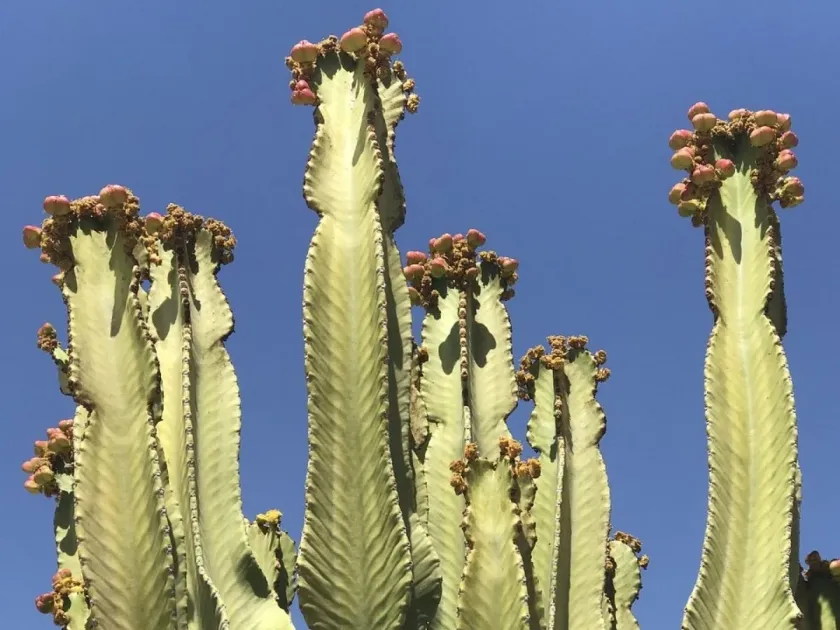
Botanically, this species is known for its architectural, candelabra-like growth habit with deep, prominent ribs. In its natural environment, it can reach significant height, making it a distinct and valuable plant for xeriscaping projects.
The cultivation of Euphorbia ammak requires a high intensity of direct sunlight to maintain its structural integrity. Insufficient light levels will cause the succulent to become leggy and lose its characteristic aesthetic appeal.
Regarding soil requirements, this plant demands excellent drainage. A gritty mix consisting of pumice, coarse sand, and a small amount of inorganic potting soil is ideal for preventing water accumulation around the sensitive root system.
In terms of practical use, the plant is widely utilized in professional landscaping and as an indoor specimen. Its high drought tolerance makes it a sustainable choice for environments where water conservation is a priority.
Main diseases and pests
The primary agricultural threat to Euphorbia ammak is root rot, typically caused by overwatering or cultivation in a substrate with poor drainage, especially during cooler dormant periods.
Common pests include mealybugs and spider mites, which can easily hide in the deep crevices of the ribs, making them difficult to detect until the infestation becomes significant.
Maintaining proper hygiene and providing sufficient airflow around the plant are critical strategies for mitigating the risks associated with these pests and fungal outbreaks.
If an infestation occurs, it is recommended to apply targeted horticultural oils or systemic insecticides, ensuring that the plant's succulent surface is thoroughly treated without risking chemical burn.
Preventative measures also include quarantine protocols for new specimens and consistent monitoring of soil moisture levels to ensure the plant remains in a healthy, active growth state.