
Euphorbia ambovombensis
Euphorbia ambovombensis
Description
Growing requirements
Euphorbia ambovombensis is a rare, slow-growing caudex succulent belonging to the Euphorbiaceae family. Native to the Ambovombe region in Madagascar, it has evolved to thrive in arid and semi-desert environments, making it a specialized crop for collectors.
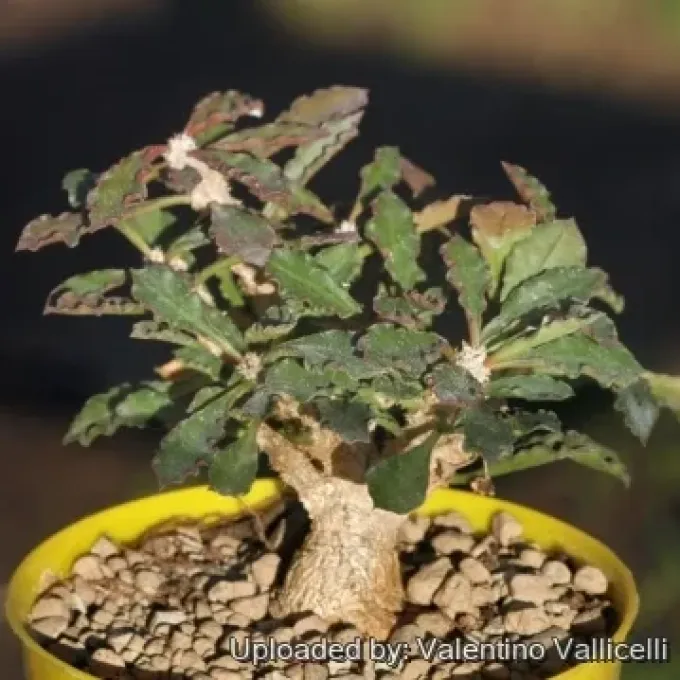
Botanically, the plant is characterized by a distinctive, woody, tuber-like caudex that serves as a water storage organ. Its branches are relatively thin and can lose their foliage during prolonged droughts, displaying a unique deciduous habit under extreme conditions.
Cultivation requires a highly porous substrate, typically consisting of pumice, perlite, and a small amount of sandy loam. Proper drainage is essential, as the roots are highly susceptible to rot if left in standing water for even short durations.
The plant demands bright, filtered light to maintain its compact form. In home or greenhouse settings, temperature management is critical: it prefers warm conditions above 20°C during the growing season and should be kept dry during the cooler winter months.
Horticulturally, this species is primarily used as an ornamental specimen. Its sculptural appearance makes it a prized subject for succulent enthusiasts and those interested in caudiciform plants, often exhibited as mature specimens in specialized nurseries.
Main diseases and pests
The primary threat to Euphorbia ambovombensis is root rot caused by fungal pathogens, almost always triggered by excessive moisture and poor soil aeration. Preventing water from sitting around the neck of the caudex is a top priority for successful long-term care.
Insect pests such as mealybugs and spider mites are common threats in protected environments. Regular monitoring of the foliage and stem crevices is required, as these pests can weaken the plant quickly and make it susceptible to secondary bacterial infections.