
Euphorbia ambarivatoensis
Euphorbia ambarivatoensis
Description
Growing requirements
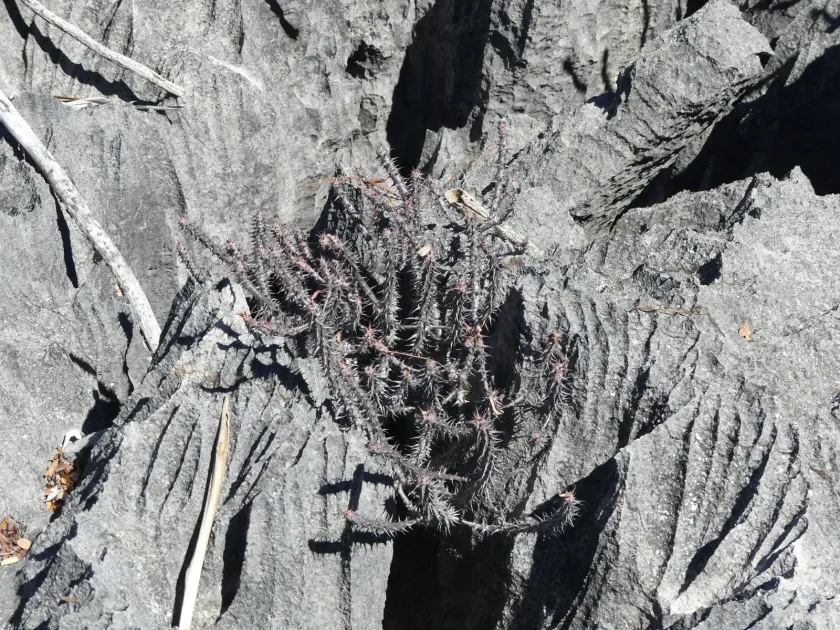
Euphorbia ambarivatoensis is a distinct succulent species belonging to the Euphorbiaceae family. Endemic to the island of Madagascar, it is highly valued by collectors for its unique structural appearance and evolutionary adaptations to rocky environments.
The plant requires a highly porous and inorganic substrate to thrive. A mixture containing pumice, lava rock, and coarse sand is essential to prevent moisture accumulation around the root system, which is vital for the survival of this species.
Bright, direct sunlight is necessary to maintain the natural growth habit of the plant. If cultivated indoors, high-intensity artificial light is recommended to prevent the plant from stretching or becoming etiolated, which compromises its structural integrity.
Temperature management involves keeping the plant in a warm, dry environment during the active growing season. A distinct cooling-off period during the winter months is beneficial, provided the soil remains completely dry to prevent cellular damage.
Watering practices should be strictly controlled, following the 'soak and dry' method. It is imperative to avoid water contact with the stem, as any trapped moisture can lead to surface pathogens and subsequent rotting of the plant tissues.
Main diseases and pests
The primary threat to Euphorbia ambarivatoensis is fungal infection, particularly root rot, caused by excessive soil moisture and poor drainage. This condition is often irreversible once the root system has suffered significant damage.
Pest infestations such as mealybugs can pose a severe threat, especially in stagnant or poorly ventilated greenhouse environments. These pests tend to settle in the crevices of the succulent stem, making them difficult to detect early on.
Spider mites can also be a significant issue in low-humidity conditions. Their presence often causes discoloration of the epidermis and weakens the plant, making it more susceptible to opportunistic secondary infections.
Preventive maintenance includes regular monitoring of the plant's health and ensuring optimal airflow. Using appropriate systemic pesticides can effectively manage pest outbreaks without harming the delicate wax layer of the plant.
Maintaining a clean growing environment is crucial for disease prevention. Any dead or decaying organic matter must be removed from the container surface to eliminate potential breeding grounds for pests and fungal spores.