
Euphorbia amandi
Euphorbia amandi
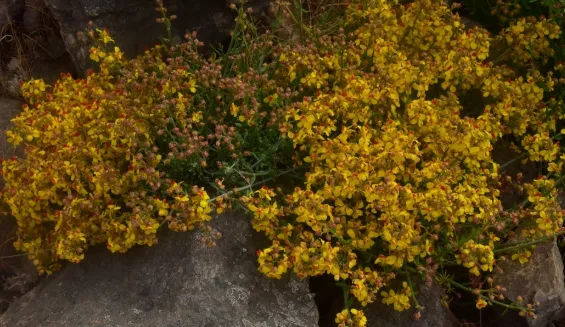
Description
Sowing dates
Euphorbia amandi, a member of the Euphorbiaceae family, requires specific protocols for propagation. Seeds should be sown in controlled greenhouse environments with temperatures ranging from 22 to 25 degrees Celsius.
The substrate must be well-draining, typically consisting of a mix of loam, leaf mold, and coarse sand. Ensuring the substrate is sterile before sowing is critical to prevent damping-off disease in seedlings.
Germination typically occurs within two to four weeks. During this phase, it is essential to maintain consistent humidity and moderate, indirect light to encourage healthy development of the young plantlets.
Vegetative propagation via cuttings is a standard practice for this species. After taking a cutting, it must be allowed to air-dry for several days to allow the cut to callous over, which prevents sap leakage and rot.
Professional growers emphasize the need for sanitized blades during harvesting to ensure that the Euphorbia does not contract systemic infections through the wounded tissues.
Growing requirements
This crop thrives under bright, indirect light conditions for approximately 10 to 12 hours daily. Direct, intense sunlight can cause significant phototoxicity to the outer tissues of the plant.
The temperature range should be managed carefully, keeping it between 20 and 28 degrees Celsius during the active growing season. During winter, temperatures should not fall below 15 degrees Celsius.
Soil requirements focus on high permeability and aeration. Waterlogging is the most common cause of failure in Euphorbia production, necessitating a well-structured soil profile with proper drainage.
Irrigation management is vital; water should only be applied when the substrate is partially dry. Over-watering is particularly detrimental to the root system and should be avoided at all costs.
Euphorbia amandi is well-adapted to low-humidity environments. Excessively moist conditions often favor the proliferation of pathogenic fungi and should be strictly managed through ventilation.
Main diseases and pests
Major agronomic threats include spider mites and mealybugs, which are notorious for infesting succulent crops in protected environments. These pests can rapidly compromise the health of the plant.
Integrated Pest Management (IPM) strategies, including the use of systemic insecticides, are recommended for large-scale operations to maintain the quality of the Euphorbia stock.
Root and stem rot caused by various fungal pathogens are the primary physiological threats. These are usually symptoms of improper irrigation techniques or poor soil composition.
Mitigation strategies include improving aeration, reducing water frequency, and applying appropriate fungicidal treatments upon the first sign of tissue decay or wilting.
- Monitoring: Routine inspection of stems and leaf bases for pests.
- Control: Regular application of systemic miticides and insecticides.
- Sanitation: Removal and isolation of affected plants to prevent spread.