
Eulalia villosa
Eulalia villosa
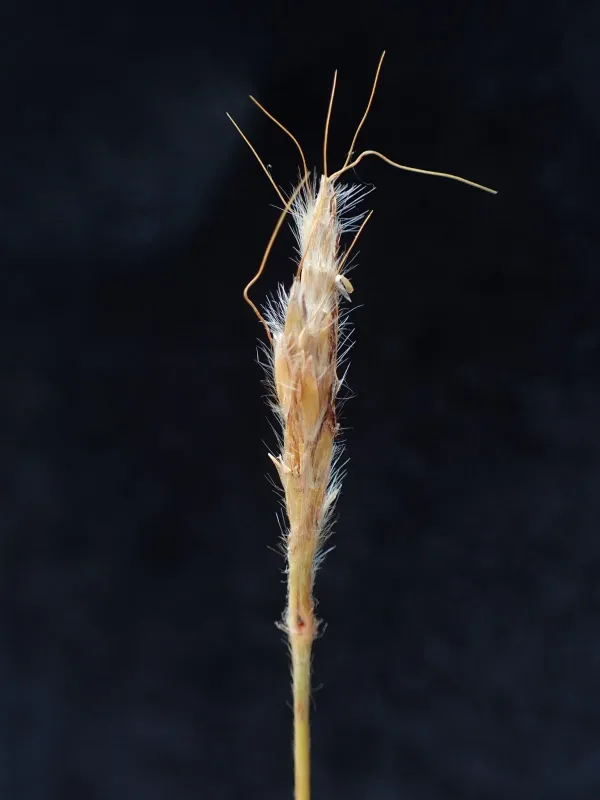
Description
Sowing dates
Eulalia villosa is a robust perennial grass typically established via direct seeding or rhizome division. The optimal sowing time is late spring, once the soil has consistently warmed up, ensuring a frost-free period for seedling establishment.
Seedbed preparation involves deep mechanical tillage and the eradication of perennial weeds to provide a clean environment for the emerging plants. Precise seed placement at a shallow depth of 1–2 cm is crucial for maximizing germination rates in field conditions.
Commercial plantations often utilize container-grown transplants to ensure uniform field density and high survival rates. This method is particularly beneficial in regions where short growing seasons require a head start to maximize the vegetative biomass.
Irrigation during the initial establishment phase is highly recommended to support root development. Once the plants are established, their extensive root systems allow them to thrive with significantly less water compared to traditional annual row crops.
Planting density should be carefully calculated based on the intended use of the biomass. A well-spaced stand encourages vigorous tillering, which is essential for long-term productivity and overall vitality of the plantation.
Growing requirements
As a member of the Poaceae family, Eulalia villosa is highly adaptable to a variety of soil types. However, it performs best in well-drained, fertile loams with a neutral or slightly acidic pH, which facilitate deep root penetration.
Light availability is a primary factor for the success of this species. As a C4 photosynthetic plant, it requires full sun exposure to maximize its biomass production and avoid lodging caused by etiolation in shaded areas.
Climatic requirements focus on warmth during the growing season. While the species is somewhat drought-tolerant once established, it requires protection from excessive soil saturation, particularly in the winter months to prevent root damage.
Nutrient management should prioritize phosphorus and potassium to encourage root health and winter hardiness. Nitrogen application should be balanced to promote foliage growth without sacrificing the structural integrity of the stems before winter.
Eulalia villosa is an excellent candidate for marginal land stabilization. Its deep, fibrous root system provides structural reinforcement to soil, making it valuable for erosion control in hilly agricultural areas.
Yield
The yield potential of Eulalia villosa is significant, with biomass production peaking after the third year of growth. Once established, the plantation can remain productive for over a decade with minimal replanting efforts.
Dry matter yields are heavily dependent on the management of soil nutrients and the length of the frost-free season. High cellulose content makes the harvested biomass an ideal feedstock for pellet production and industrial fibers.
The plant's efficient carbon fixation, characteristic of C4 metabolism, allows for high productivity even in nutrient-limited environments. This efficiency contributes to a low carbon footprint during the cultivation and production cycles.
Monitoring growth stages allows for precise fertilization, which can further enhance total annual harvest. Regular removal of biomass prevents the accumulation of old, non-productive plant matter, maintaining the stand's vitality.
Yield stability is one of the key benefits of cultivating this perennial grass, as it buffers against year-to-year climatic fluctuations that often affect annual crops. This provides growers with predictable inputs for long-term contracts.
Main diseases and pests
Eulalia villosa exhibits strong natural resistance to many common cereal pests and diseases. Its structural composition and growth habit generally deter insect infestation, reducing the need for chemical interventions.
The primary threat to young plantations is weed competition. Effective integrated pest management during the first season is essential to ensure that the grasses achieve dominance and effectively shade out undesirable species in subsequent years.
Fungal issues are rare and typically occur only in poorly ventilated stands with high humidity. Proper site selection and appropriate planting spacing are the best cultural methods to prevent the development of such pathogens.
Small mammals and rodents may occasionally damage root systems in the dormant season. Protecting the perimeter of the field and maintaining clean field borders can help minimize the risk of animal-induced damage to the crop.
Strategic monitoring of the plant health status is recommended, especially after periods of extreme weather. Early detection allows for targeted, non-chemical control measures, maintaining the ecological safety of the plantation.
Harvesting
Harvesting for biomass is optimally performed in late autumn or early winter, once the plants have entered dormancy and stem moisture levels have dropped. Harvesting at this time ensures higher quality raw material for energy processing.
Standard forage harvesting equipment, such as disc mowers and balers, is suitable for handling the dry stems. Adjusting the cutting height is crucial to avoid damaging the crown and preventing impairment of next year's regrowth.
The harvested material should be stored in dry, well-ventilated conditions to prevent moisture accumulation and mold growth. Proper drying is vital for maintaining the energy value and structural properties of the cellulose fibers.
Post-harvest management often involves leaving minor crop residues on the field to improve soil organic matter. This practice supports long-term soil fertility without the need for excessive synthetic mineral supplementation.
The timing of the harvest is a critical decision that balances the need for low-moisture biomass against the logistical challenges imposed by early winter weather. Planning for timely harvest ensures the stability of the supply chain.