
Eulalia aurea
Eulalia aurea
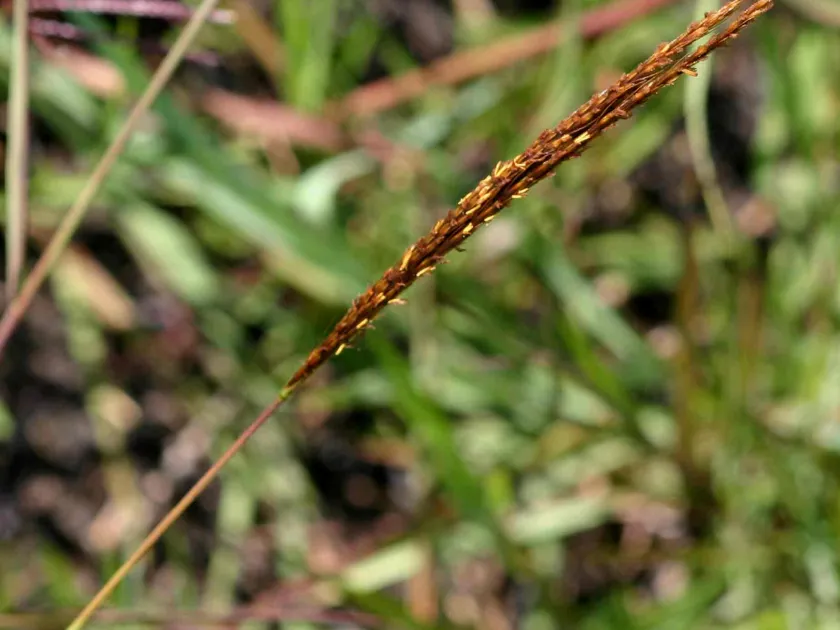
Description
Sowing dates
Eulalia aurea is a perennial grass species belonging to the Poaceae family. It is typically propagated during the spring season once the soil has warmed sufficiently, allowing for consistent growth rates. Seed germination requires stable temperatures and reliable moisture levels.
For industrial or agricultural purposes, direct seeding into the field is carried out in mid-spring, usually between April and May. It is essential to ensure that the threat of frost has passed, as young seedlings are susceptible to cold injury during the early development phase.
Greenhouse propagation using trays or containers is also a common practice. Starting seeds in February or March allows for the development of strong, robust plants that can be transplanted once exterior conditions become favorable, significantly improving establishment success.
Vegetative propagation via root division is widely practiced, particularly for mature clumps. This method is generally performed in early spring before the onset of active growth, ensuring that the new divisions can effectively establish their root systems in the new location.
Surface sowing is recommended due to the small size of the seeds. The seeds should be lightly pressed into the soil to ensure good contact, allowing moisture to be absorbed effectively. Proper light exposure is critical, as seeds should not be buried too deeply to germinate.
Growing requirements
Eulalia aurea thrives in full sun exposure. Adequate light is crucial for maintaining the plant's characteristic coloration and high biomass productivity. Shaded areas often lead to weakened growth and a significant reduction in overall plant vigor.
The ideal soil conditions include well-draining, moderately fertile soil with a neutral to slightly acidic pH level. Waterlogged conditions are detrimental to the root system, so proper drainage must be established if planting in heavy clay or low-lying areas.
The species displays moderate winter hardiness. In regions with harsh winters, providing a protective layer of mulch, such as straw or organic leaf litter, is essential to insulate the crown and protect the dormant rhizomes from extreme frost cycles.
During the growing season, the plant requires consistent moisture, although it possesses a degree of drought tolerance once established. Supplemental irrigation is advisable during prolonged dry spells to prevent premature wilting and maintain high yields of green matter.
Balanced fertilization applied at the beginning of the growing season provides the necessary nutrients to stimulate rapid vegetative development. Nitrogen, phosphorus, and potassium applications ensure strong growth and increase the plant's resistance to environmental stress.
Yield
The agricultural value of Eulalia aurea lies in its impressive ability to produce high quantities of biomass. This makes it a viable candidate for various applications, ranging from livestock forage in specific developmental stages to industrial raw material production.
The harvesting of biomass typically takes place at the end of the summer or early autumn. This timing coincides with the peak of nutrient accumulation within the stems, ensuring that the harvested material provides high nutritional or energy value for subsequent use.
Given its perennial nature, the crop can be maintained on the same site for five to seven years with consistent management. Proper spacing and weed control are essential factors that influence the total yield per hectare over the lifespan of the plantation.
Biomass from this species is also explored for its potential in bioenergy applications. Its efficiency in converting sunlight into high-volume organic matter makes it an interesting option for solid biofuel production, including pellets and briquettes for thermal energy.
Consistent yield management requires periodic rejuvenation of the field. After several years of production, the quality of the stand may decline, necessitating thinning or replanting to restore optimal plant density and maintain the productivity levels of the crop.
Main diseases and pests
Eulalia aurea is generally robust, but it can be susceptible to fungal infections if the planting density is too high or if the environment is overly humid. Poor air circulation often leads to the development of leaf spot diseases or rust, which can impact foliage health.
Pest management focuses on monitoring for insects such as aphids, which may cluster on tender new growth. Integrated pest management, emphasizing natural predators or localized treatment, is preferred over broad-spectrum chemical interventions to protect the surrounding environment.
Root rot is the most common consequence of improper water management. Ensuring that the soil remains moist but not saturated is the best preventative measure against soil-borne pathogens. In cases of severe infection, affected parts should be removed immediately.
Crop rotation practices should be observed where possible to prevent the buildup of soil-borne diseases. Avoiding the planting of Eulalia aurea in areas recently occupied by other grass species helps in maintaining a healthy soil environment free from specific pathogens.
Regular monitoring of the stand is key to early detection of any health issues. By maintaining proper spacing, ensuring adequate nutrition, and managing moisture levels, farmers can keep the crop healthy and productive throughout its entire growth cycle.