
Eugenia reinwardtiana
Eugenia reinwardtiana
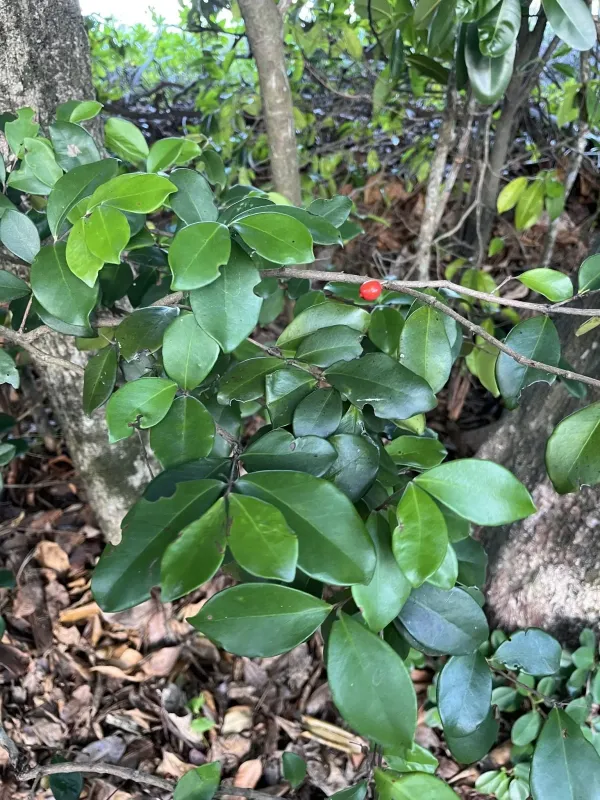
Description
Sowing dates
The propagation of Eugenia reinwardtiana is primarily performed through seeds. The seeds must be extracted from fully ripe fruit and planted immediately, as they lose viability relatively quickly when dried out.
Seedbeds should be prepared using a well-draining, nutrient-rich potting mix. A greenhouse environment with a steady temperature of 25–30°C is highly recommended to ensure uniform germination rates.
Once the seedlings develop their first set of true leaves, they can be carefully transplanted into individual containers. Great care must be taken to minimize root disturbance to prevent transplant shock.
Vegetative propagation via cuttings is possible but requires professional equipment. Utilizing rooting hormones and a humidity-controlled environment is essential to achieve a successful strike rate for new clones.
The optimal time for sowing is during the onset of the warm season, which provides the young plants with a long growth period before they encounter any natural environmental stress.
Growing requirements
Eugenia reinwardtiana is a member of the Myrtaceae family, commonly referred to as the beach cherry. It is a slow-growing evergreen shrub or small tree native to tropical regions of Australia and Southeast Asia.
The species thrives in warm, humid tropical climates. It is sensitive to frost and cold winds, necessitating the use of windbreaks or indoor protection in regions prone to seasonal temperature drops.
The ideal soil for this crop is a slightly acidic, organic-rich loam with excellent drainage characteristics. Waterlogging must be strictly avoided to prevent root diseases that are detrimental to this species.
Consistent moisture is required for healthy development, especially during the fruit-set phase. Mulching around the base of the plant helps retain soil moisture and suppresses unwanted weed growth.
The plant performs best under full sun or light partial shade. In extremely hot environments, afternoon shade is beneficial to prevent leaf scorch and maintain the overall vigor of the canopy.
Yield
The fruit of Eugenia reinwardtiana is a small, round berry that transitions from green to bright red and finally to a deep purple when fully mature. It is highly valued for its sweet, aromatic flavor.
Yield potential is dependent on optimal cultural practices, including fertilization and pruning. Mature trees can provide substantial harvests, typically ripening over several weeks during the peak season.
The fruit is used fresh or processed into jams, jellies, and beverages. Due to its delicate nature, the fruit is mainly appreciated in local markets or home gardening rather than large-scale export.
Productive lifespan of a well-maintained tree can span several decades. Continuous improvement in soil nutrient management is key to maintaining high fruit quality and consistent annual yields.
Regular pruning not only manages the height of the tree for easier harvesting but also improves light penetration into the inner canopy, which directly influences the quantity of fruit clusters.
Main diseases and pests
Common pests affecting Eugenia reinwardtiana include scale insects and mealybugs. These pests congregate on the stems and undersides of leaves, draining nutrients and potentially spreading sooty mold.
Fungal diseases, such as anthracnose and leaf spot, are prevalent in high-humidity areas. These pathogens can cause significant defoliation if left unchecked, particularly during the rainy season.
Integrated Pest Management (IPM) strategies are highly effective. Periodic scouting of the foliage is essential to detect early infestations and apply corrective measures before they become widespread.
Adequate air circulation through proper spacing and pruning significantly reduces the risk of fungal outbreaks. Cleanliness in the orchard area is vital to minimizing pathogen persistence.
Applying potassium-rich fertilizers can strengthen the plant's cuticle, making it more resistant to insect feeding and pathogen penetration throughout the growing year.
Harvesting
Harvesting is performed manually by hand-picking only the fully colored, ripe berries. Because the fruit does not ripen uniformly, multiple passes over the trees are necessary to maximize harvest yield.
Post-harvest life is extremely short, usually limited to a few days under ambient conditions. Refrigeration is necessary if the fruit is to be transported to local retail outlets.
Gentle handling is required during collection to prevent bruising of the thin, delicate skin of the cherries. Bruised fruit ferments rapidly, which can spoil the rest of the batch.
Harvesters should use breathable containers or flat trays to ensure good airflow. Avoiding stacking the fruit too deeply prevents mechanical damage and ensures quality reaches the consumer.
Strategic scheduling of the harvest during the cool hours of the morning helps maintain the fruit's turgor pressure and extends its shelf life compared to fruit harvested during the heat of the day.