
Eugenia neomyrtifolia
Eugenia neomyrtifolia
Description
Growing requirements
Eugenia neomyrtifolia is a perennial evergreen shrub belonging to the Myrtaceae family. It is native to South American tropical regions, thriving in humid environments with steady temperatures throughout the year.
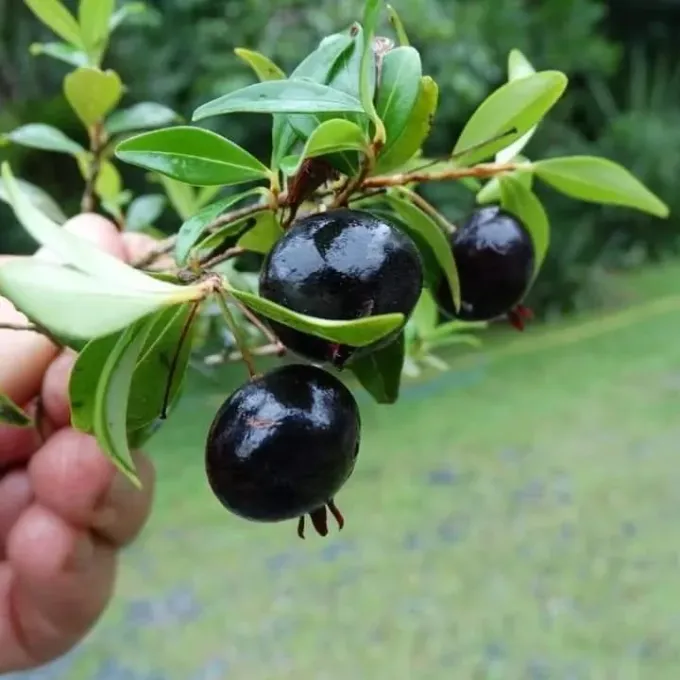
Botanically, the plant is characterized by its glossy, deep green foliage and delicate flowers. It acts as an ornamental shrub that responds well to pruning, making it ideal for controlled environments like botanical gardens or greenhouses.
Soil quality is paramount; the plant requires well-draining, nutrient-rich soil with a slightly acidic profile. Achieving the right balance of moisture and drainage is the most challenging aspect of its cultivation.
Regarding climate, Eugenia neomyrtifolia is strictly a tropical species. It requires temperatures between 20 and 28 degrees Celsius and cannot withstand frost. Exposure to temperatures below 10 degrees Celsius can lead to permanent damage.
Agricultural use for this species primarily involves garden aesthetics and potential fruit production. The fruits are often harvested for culinary purposes, reflecting the traditional use of Eugenia species in local food cultures.
Main diseases and pests
The primary pests affecting this crop include mealybugs, scale insects, and spider mites. These pests thrive in dry indoor conditions and can cause significant damage to the plant's succulent foliage if left untreated.
Fungal issues, particularly root rot, are common in poorly aerated or overwatered conditions. Preventing these issues requires careful monitoring of the moisture content in the substrate and ensuring proper airflow around the canopy.
Leaf spot diseases can occur due to high humidity without sufficient air movement. Applying preventive fungicides and maintaining a strict pruning schedule helps keep the plant healthy and vigorous.
Nutrient deficiencies, specifically chlorosis, are common when soil pH is not maintained at the correct range. Regular soil testing and the application of chelated iron can help alleviate these symptoms effectively.
Biosecurity is essential in a greenhouse setting. Introducing new plants without a quarantine period is the most common way pests are introduced, which can quickly devastate a collection of Eugenia neomyrtifolia.