
Eugenia myrcianthes
Eugenia myrcianthes
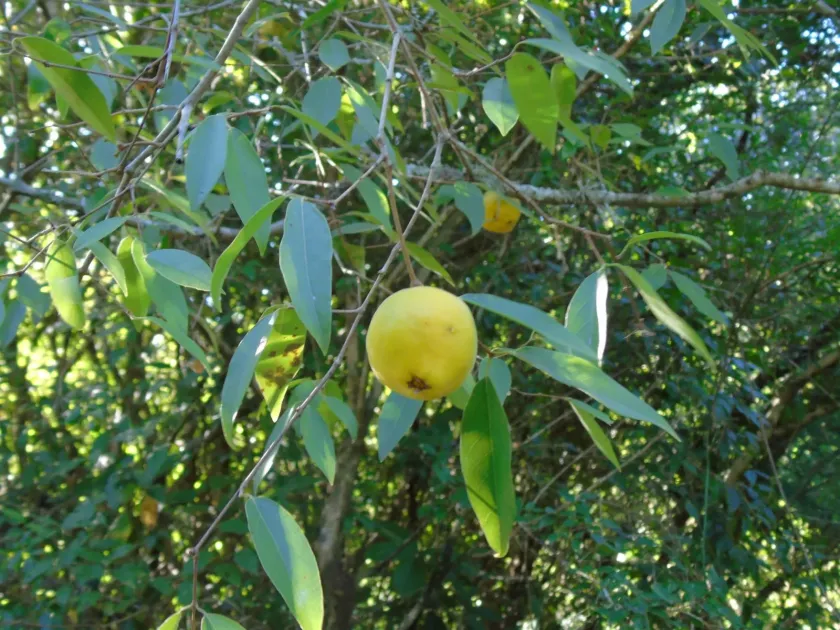
Description
Growing requirements
Eugenia myrcianthes, belonging to the Myrtaceae family, is an evergreen tree or large shrub known for its ornamental value and edible fruits. It is native to the tropical and subtropical regions of South America, including Brazil and Paraguay.
The plant thrives in warm climates and requires protection from severe frost. It grows best in well-drained, fertile soils with a pH ranging from slightly acidic to neutral. Ensuring proper soil aeration is crucial for the development of a healthy root system.
Eugenia myrcianthes requires plenty of sunlight to maximize fruit production. While established plants are somewhat drought-tolerant, young trees need consistent moisture to become properly anchored and to achieve vigorous vegetative growth.
The agricultural management of this species involves regular pruning to maintain a manageable canopy shape and to improve airflow. This practice reduces the risk of fungal infections within the dense foliage that is characteristic of many Myrtaceae species.
Fertilization should be focused on providing balanced nutrients, particularly during the flowering and fruit-setting stages. Mulching around the base of the plant can help retain soil moisture and suppress weed growth, fostering a stable growing environment.
Yield
The yield of Eugenia myrcianthes is heavily dependent on the plant's maturity and the level of horticultural intervention. Mature trees can produce significant quantities of fruit annually if given sufficient nutrients and water throughout the growing season.
Fruit quality is significantly influenced by effective water management during the fruit-development phase. Ensuring that the trees receive adequate irrigation prevents fruit drop and promotes the development of larger, more flavorful berries.
Consistent pruning not only optimizes the plant's health but also facilitates easier harvesting. By reducing canopy density, sunlight reaches the inner branches, which encourages consistent fruit formation throughout the entire structure of the tree.
Pest and disease monitoring is essential for maintaining consistent yields. By keeping the orchard clean and ensuring proper spacing between trees, farmers can significantly reduce the risk of outbreaks that could affect productivity.
In well-managed commercial settings, Eugenia myrcianthes can be a highly productive crop. Success depends on balancing growth with fruit production, ensuring that the tree remains robust enough to support heavy yields over several years.
Main diseases and pests
Like many plants in the Myrtaceae family, Eugenia myrcianthes is susceptible to various pests, including scale insects, aphids, and whiteflies. These pests can weaken the plant by feeding on sap and excreting honeydew, which leads to the growth of sooty mold.
Fungal diseases are a primary threat, especially in humid and poorly ventilated conditions. Leaf spots and root rot are common issues caused by pathogens if the soil drainage is insufficient or if the foliage remains wet for extended periods.
Integrated pest management (IPM) is recommended to control these threats effectively. This involves regular scouting for early signs of infestation and using biological controls or targeted sprays when necessary to minimize the impact on the environment.
Environmental stress, such as extreme temperatures or nutrient imbalances, can make the plants more susceptible to disease. Maintaining optimal vigor through proper fertilization and watering is one of the best preventative measures against common pathogens.
Timely intervention is key when dealing with outbreaks. Removing affected branches or using appropriate horticultural soaps can help manage localized pest populations before they spread to the entire orchard.
Harvesting
Harvesting Eugenia myrcianthes is a delicate process due to the fragile skin of the fruits. Because the berries often ripen unevenly, they must be hand-picked in multiple passes to ensure only the highest-quality, ripe fruit is selected.
The optimal time for harvesting is during the early morning hours to keep the fruits cool. This helps to maintain their firmness and significantly increases their shelf life after being detached from the tree.
Careful handling is required during collection to prevent bruising. Fruits should be placed in shallow, ventilated containers to avoid damage caused by stacking too high, which could lead to spoilage during transportation.
Post-harvest sorting is vital to remove any damaged or overripe fruit that could contaminate the rest of the batch. Maintaining a cool, dry environment after the harvest helps preserve the flavor and texture of the berries for the consumer.
Proper logistical planning ensures that the produce reaches the market quickly. Since this crop is often marketed as a niche or exotic product, preserving its visual appeal and freshness is essential for achieving the best market value.