
Eugenia luschnathiana
Eugenia luschnathiana
Description
Sowing dates
Propagation of Eugenia luschnathiana is primarily achieved through seeds, as they maintain high viability for a short period after extraction from the fruit. Sowing should be carried out immediately after harvesting, using a light, well-draining substrate enriched with organic matter.
For successful germination, a stable temperature between 25 and 30 degrees Celsius and high soil moisture are required. The optimal time for sowing in subtropical regions or greenhouses is during the spring, when daylight hours begin to increase significantly.
Young seedlings require shading from direct sunlight during their first months, as tender leaves are susceptible to burning. Pricking out into individual containers should be performed once two or three pairs of true leaves emerge to strengthen the root system.
Adult specimens can be grown either in open ground or in large containers, which allows for better control of root development. Transplanting is best performed using the transfer method, minimizing disturbance to the sensitive root hairs of the plant.
When using vegetative propagation through cuttings, the rooting process is significantly longer and requires the application of rooting hormones. The use of mist irrigation systems greatly improves the success rate of establishing cuttings for this culture.
Growing requirements
Eugenia luschnathiana, a member of the Myrtaceae family, is a tropical fruit tree that demands specific conditions for active growth. The plant prefers sunny locations protected from strong winds, which helps in maintaining the structural integrity and shape of the crown.
Regarding soil requirements, the culture is somewhat demanding, needing humus-rich, slightly acidic, or neutral soils with excellent drainage properties. Water stagnation in the root zone is a critical issue that leads to the rapid development of root rot.
The optimal temperature range for year-round cultivation is between 20 and 30 degrees Celsius, as the plant cannot tolerate prolonged frost. If grown in containers in cooler climates, the plant must be relocated to an greenhouse before the onset of autumn cold.
Regular watering is essential for successful fruit production, though it is crucial to avoid over-saturating the substrate during the winter dormancy period. Maintaining air humidity above 60 percent positively affects leaf health and prevents the edges of leaves from drying out.
Mineral and organic fertilizers should be applied during the active growth phase, focusing on balanced formulations with higher nitrogen in spring and potassium-phosphorus blends during the flowering and fruit-setting stages.
Yield
The fruits of Eugenia luschnathiana, often known as Pitangatuba, are prized for their high nutritional value and pleasant aroma. The first harvest for seed-grown plants typically occurs within 3 to 5 years, provided that optimal care is maintained.
Yield directly depends on the quality of pollination, involving insect pollinators; therefore, the presence of bees during the flowering stage is critical for ensuring a productive harvest. The tree is capable of producing multiple fruiting waves per year in tropical environments.
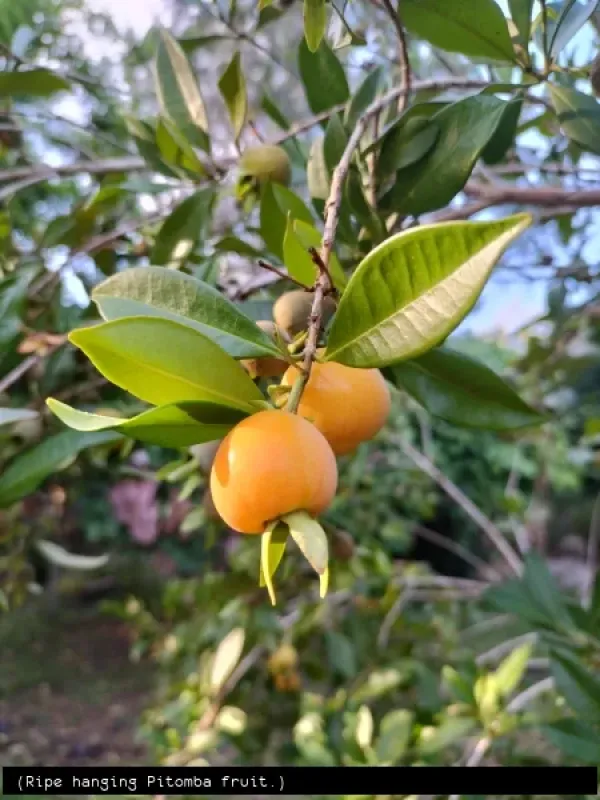
The fruits are round or slightly ribbed and turn bright yellow or orange when ripe. The pulp is succulent, sweet, and slightly tangy, making it highly desirable for fresh consumption, as well as for the preparation of high-quality jams, juices, and sauces.
To increase yields in commercial production, regular sanitary and structural pruning is applied. Removing weak or dense branches improves light penetration to the inner parts of the tree, which contributes to better ripening of the fruits.
An important factor in preserving the harvest is preventing premature fruit drop, which is achieved by maintaining a consistent soil moisture level. On average, a healthy mature tree can yield between 5 to 15 kilograms of fruit per season, depending on growing conditions.
Main diseases and pests
Eugenia luschnathiana can be susceptible to various pests, most notably scale insects and mealybugs. These insects feed on the sap of young shoots, leading to leaf deformation and a decrease in the plant's overall immune system.
Aphids often settle on the underside of leaves, leaving sticky secretions that later develop into sooty mold. To manage these pests, systemic insecticides are recommended, or the crown can be washed with soapy solutions as a preventive measure.
Root rot is the primary threat when watering regimes are neglected or drainage is insufficient. Pathogenic fungi in waterlogged soil quickly affect the root system, resulting in leaf yellowing and the eventual wilting of the entire plant.
Leaf spot, caused by various fungal infections, appears as brown or grey spots that lead to premature leaf drop. Treatment involves removing the affected areas and applying copper-based fungicides during periods of high humidity.
Regular monitoring of the plants allows for early detection of issues, preventing mass infestation. Preventive measures, such as timely sanitary pruning, significantly reduce the risk of disease spread in both gardens and greenhouses.
Harvesting
Harvesting Eugenia luschnathiana requires care because the fruits are delicate and easily bruised. They should only be picked at the stage of full maturity, when they achieve their characteristic rich color and become soft to the touch.
It is recommended to harvest manually during the cooler morning hours to preserve fruit freshness for as long as possible. The fruits do not ripen well off the tree, so they should be consumed or processed immediately after collection.
Transporting the harvested crop must be done in shallow crates with soft cushioning to avoid crushing the bottom layers of the fruit. Due to the short shelf life, fruits should ideally be processed within 1 to 2 days after harvest.
To maintain flavor quality, the fruits can be kept in refrigerated storage at 4 to 6 degrees Celsius, which slows down the fermentation and spoilage processes. Storage at lower temperatures may lead to skin darkening and a loss of marketability.
The economic use of the harvest includes fresh consumption, as well as the production of aromatic syrups, jellies, and sauces. High vitamin content makes this product a valuable component of functional food diets, while its specific taste allows for use as an exotic addition to desserts.