
Eugenia klotzschiana
Eugenia klotzschiana
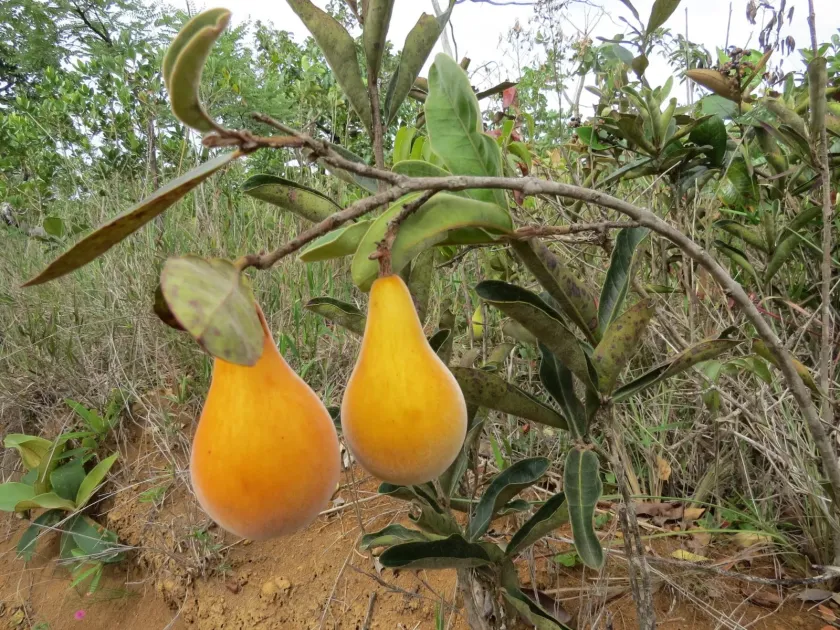
Description
Growing requirements
Eugenia klotzschiana is a member of the Myrtaceae family, known for its evergreen habit and ornamental value. Native to the lush regions of South America, particularly Brazil, this species is well-adapted to warm, tropical, and subtropical climates.
The plant thrives in temperatures that remain consistently warm throughout the year. It does not tolerate frost, making it essential for growers in temperate regions to provide greenhouse protection or keep the plant in portable containers during colder months.
Soil requirements for this species include excellent drainage and a fertile, slightly acidic medium. Heavy, compacted soils often lead to root issues, so incorporating perlite or sand into the potting mix is highly recommended for container-grown specimens.
Optimal growth is achieved with high-intensity light. While it prefers bright, indirect sunlight to prevent leaf scorch, insufficient light levels will significantly reduce fruit production and cause the plant to develop a leggy, unattractive structure.
Agrotechnical maintenance focuses on consistent irrigation. Although the plant enjoys humidity, it must not remain waterlogged. Fertilization with a balanced, slow-release fertilizer during the active growing season supports foliage health and fruit development.
Yield
The primary agricultural utility of Eugenia klotzschiana lies in its edible, aromatic fruits. These fruits are typically consumed locally, offering a unique flavor profile often used in regional jellies, juices, and desserts.
Yield capacity is highly variable and depends on the specific horticultural environment. Under optimal conditions, including adequate sunlight and balanced nutrient availability, the plant can produce a steady crop of fruit annually.
Due to the fragile nature of the fruits, they have a very limited shelf life after harvesting. This characteristic necessitates that production remains focused on direct-to-consumer sales or immediate processing into value-added products.
Beyond its fruit-bearing capabilities, the species is widely appreciated as an ornamental plant. Its glossy, deep green foliage and delicate blossoms make it a staple in tropical landscape design and specialty plant collections.
Research into the nutritional density of Eugenia fruits is ongoing, suggesting potential health benefits that may increase commercial interest. Breeders are continuously looking for ways to improve fruit size and tree resilience for home gardening.
Main diseases and pests
The most significant threat to plant health is root rot caused by stagnant water in the root zone. Proper drainage and aeration are essential, and growers must avoid leaving the pot sitting in water saucers for extended periods.
Pests like mealybugs and scale insects are common in sheltered environments. Early detection through regular leaf inspections is the best defense, often followed by mechanical removal or the application of horticultural oils.
Spider mites can become problematic in dry indoor conditions during winter. Maintaining an appropriate humidity level around the canopy is a simple yet effective way to discourage these pests from establishing colonies.
Fungal infections can occur in high-humidity, low-airflow environments, appearing as leaf spotting. Improving ventilation and spacing out plants within the greenhouse helps significantly in reducing the incidence of these diseases.
- Use of organic preventative insecticidal soaps.
- Sterilization of pruning tools between uses.
- Monitoring of substrate moisture levels using professional sensors.