
Eugenia capensis
Eugenia capensis
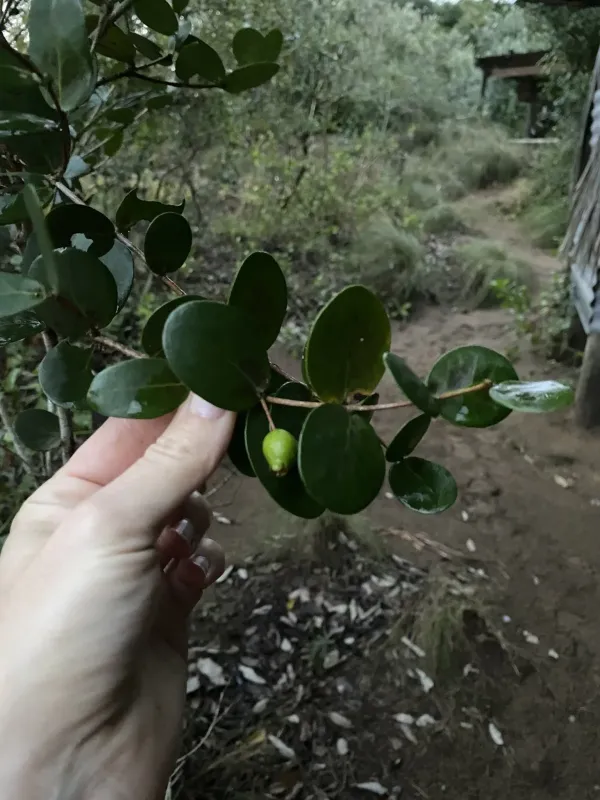
Description
Growing requirements
Eugenia capensis, commonly known as the Dune Myrtle, is a shrub or small tree belonging to the Myrtaceae family. It is indigenous to the coastal regions of South Africa, where it thrives in sandy dunes and scrublands.
The species is highly valued for its ability to adapt to coastal conditions, demonstrating significant tolerance to wind and salinity. For optimal growth, it requires a position with full sun to partial shade and well-drained, slightly acidic soil.
In terms of climatic needs, Eugenia capensis prefers warm, frost-free environments. While it can withstand short periods of dryness once established, regular irrigation is recommended for younger specimens to ensure robust development.
Cultivation practices involve annual pruning to maintain a desirable shape, particularly when used in landscaping as a hedge or privacy screen. The plant responds well to mulching, which helps retain moisture and regulate soil temperature.
Beyond its culinary potential, where its fruits are utilized for various culinary preparations, the species is widely cultivated for its ornamental appeal, featuring attractive glossy foliage and showy flowers during the blooming season.
Main diseases and pests
Common health issues in Eugenia capensis are primarily associated with fungal infections in the roots if drainage is inadequate. Ensuring a loose, aerated substrate is the most effective preventive measure.
Pest management should focus on monitoring for sap-sucking insects like scale insects and mealybugs. In cases of infestation, horticultural oils or soap sprays are typically effective at keeping populations under control.