
Eucommia ulmoides
Eucommia ulmoides Oliv.
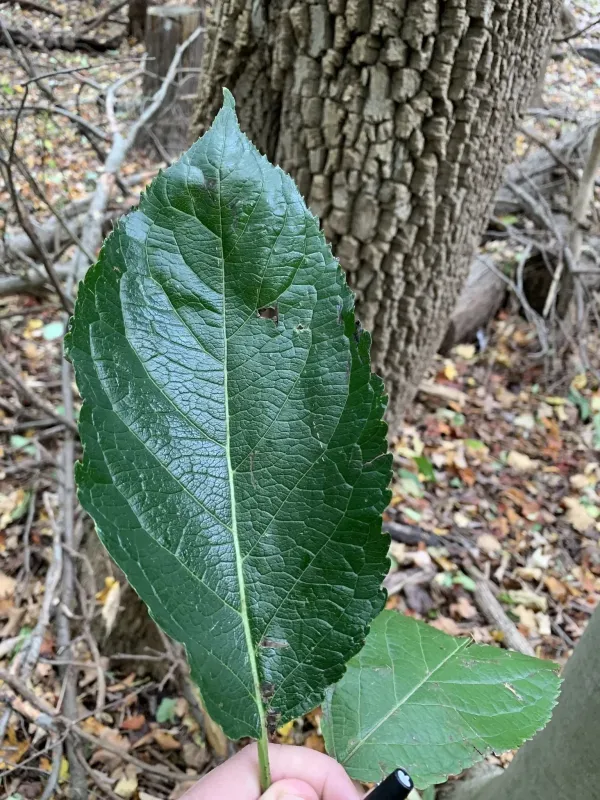
Description
Sowing dates
Eucommia ulmoides is typically propagated from seeds, which require a cold stratification period of 2 to 3 months to break dormancy and ensure germination.
Seeds are sown in nursery beds during the spring when soil temperatures reach 10–12 degrees Celsius, maintaining consistent moisture throughout the period.
Vegetative propagation using stem cuttings or layering is also possible, which helps preserve the genetic traits of superior individual trees for plantations.
Young seedlings are sensitive to intense direct sunlight and require partial shade during their first year of development to avoid desiccation.
Transplanting to a permanent site should be conducted in early spring, just before the tree enters its active growth phase to encourage rapid rooting.
Growing requirements
Eucommia, the only representative of the Eucommiaceae family, originates from mountainous regions of China, thriving in temperate and humid climates.
The crop prefers deep, fertile, and well-drained loamy soils with a neutral or slightly acidic pH to support its extensive root system.
As a light-demanding tree, Eucommia requires ample space for crown development, although young saplings benefit from shelter against strong winds.
It displays high cold tolerance, capable of withstanding temperatures down to -25 degrees Celsius, although spring frost may affect young tender shoots.
Agricultural management involves regular soil aeration, weed control, and irrigation during periods of severe drought to ensure steady growth rates.
Yield
The primary economic significance of Eucommia lies in its production of gutta-percha, a natural rubber found in its leaves, bark, and fruit.
Harvesting for raw materials begins when the trees are approximately 7 to 10 years old, ensuring the tree has sufficient biomass for sustainable yields.
The leaves contain high levels of chlorogenic acid and other bioactive compounds, making them highly valued for the modern pharmaceutical industry.
Eucommia bark is an esteemed traditional medicine component used to improve bone health and regulate blood pressure through complex alkaloid activity.
Commercial plantations are increasingly focused on utilizing this tree as a renewable source of both industrial polymers and medicinal ingredients.
Main diseases and pests
Eucommia ulmoides is remarkably resistant to many common tree pests and fungal diseases, making it a low-maintenance crop for forestry.
Waterlogged soil conditions present the greatest risk, as they can promote root rot; therefore, selecting sites with excellent drainage is crucial.
Leaf-eating insects may occasionally cause minor damage, though this rarely reaches economic thresholds that would necessitate chemical intervention.
Maintaining a clean plantation environment and pruning damaged branches help to mitigate the risk of pathogen accumulation over time.
Providing good ventilation and balanced nutrient status contributes significantly to the overall biological resilience of the Eucommia grove.
Harvesting
Leaves harvested for medicinal use are typically gathered in late summer when concentrations of active ingredients are at their seasonal peak.
Bark harvesting must be performed with surgical precision during peak sap flow periods to avoid killing the tree and to allow for proper recovery.
Post-harvest processing involves rapid low-temperature drying of the plant material to preserve the chemical integrity of the volatile compounds.
Advanced extraction methods are used in industrial settings to isolate gutta-percha from the harvested biomass with high efficiency and purity.
Sustainable harvesting cycles are essential, allowing the plantation to regenerate and provide consistent yields over several decades of operation.