
Salmon gum
Eucalyptus salmonophloia
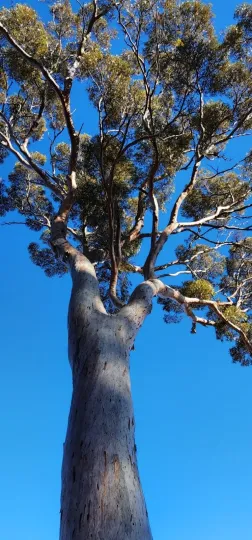
Description
Sowing dates
Seeds of Eucalyptus salmonophloia require stratification to optimize germination rates. The ideal sowing period is spring, when soil temperatures reach a stable 18–22°C.
Sowing should be performed in well-drained nursery containers using a high-quality, organic-rich substrate. Maintaining consistent moisture is critical until seedlings emerge.
Transplanting to the field is recommended once the saplings reach a height of 20–30 cm. Great care must be taken with the root system, as the species is sensitive to disturbance.
Planting density varies based on the intended purpose, whether it be reforestation, erosion control, or biomass production, with wider spacing generally preferred for forestry.
Young trees require supplemental irrigation during their first two years to establish a robust root system capable of accessing deep groundwater.
Growing requirements
Eucalyptus salmonophloia is a member of the Myrtaceae family, native to the semi-arid woodlands of Western Australia. It is highly adapted to drought-prone environments.
The tree thrives on a variety of soils, though it prefers deep, well-drained loams. It shows excellent tolerance for saline soils, making it a candidate for land reclamation.
This species is highly photophilous and demands full sun exposure for healthy development. Shading results in poor stem form and a significant reduction in overall biomass.
The optimal temperature range for growth is between 15°C and 30°C. While mature trees are frost-tolerant, they prefer environments with minimal extreme temperature fluctuations.
Ideal soil pH ranges from 6.0 to 8.0. The species demonstrates remarkable resilience in challenging arid conditions where other hardwood trees might struggle to establish.
Yield
The primary yield from Eucalyptus salmonophloia is its exceptionally dense and durable timber, which is highly prized for construction and heavy-duty tool handles.
Commercial maturity is typically achieved in 30 to 50 years. Silvicultural practices, such as thinning, can enhance the diameter growth of the remaining stand.
The species is a prolific producer of biomass, which contributes to its value in carbon sequestration projects and as a renewable source for wood-based industries.
Apart from timber, the species is a vital honey source. Beekeepers value its flowering period for the production of high-quality, distinctively flavored Eucalyptus honey.
Seed production is an important secondary yield for restoration ecology, as the species is frequently utilized in re-vegetating degraded Western Australian landscapes.
Main diseases and pests
The most significant threat to the health of the stands is root rot caused by Phytophthora species, especially in areas with poor drainage or seasonal waterlogging.
Defoliating insects, including various species of weevils and leaf beetles, can cause significant damage to young saplings, potentially hindering their initial establishment.
Gall-forming insects pose a localized threat by deforming shoots and branches, which reduces the aesthetic and commercial value of the timber produced.
High atmospheric humidity combined with poor airflow can increase susceptibility to secondary fungal pathogens, making site selection and spacing crucial.
- Root rot (Phytophthora)
- Weevils
- Leaf beetles
- Gall wasps